What Should Wholesale Buyers Check First?
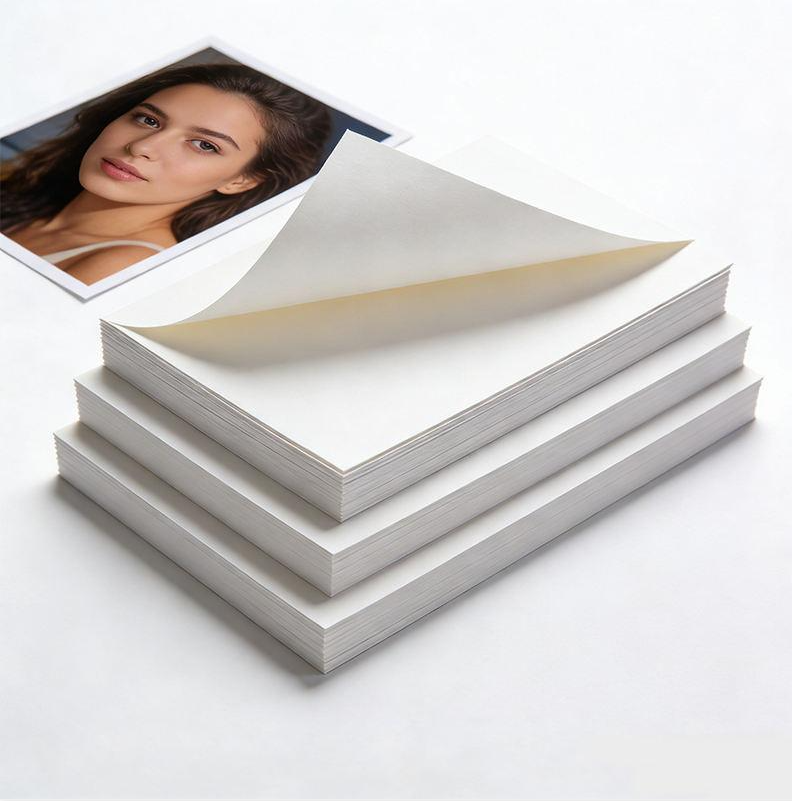
Wholesale buyers should begin with the intended application, printer and ink requirements, target price range, and required product format. These factors help narrow down suitable photo paper grades before requesting samples or quotations.
- Application: Identify whether the paper will be used for photo printing, photo kiosks, albums, retail sales, or other commercial applications.
- Surface finish: Determine whether glossy, satin, or another finish best suits the target market.
- Paper weight and thickness: Match the paper’s physical properties to the required feel, handling, and printer feeding conditions.
- Ink compatibility: Confirm that the selected grade works with the intended printer and ink system.
- Product format: Specify sheet sizes or roll dimensions, packaging, and quantities.
- Supply requirements: Check minimum order quantities, lead times, packaging options, and sample availability.
Which Photo Paper Finish Is Right for Your Market?
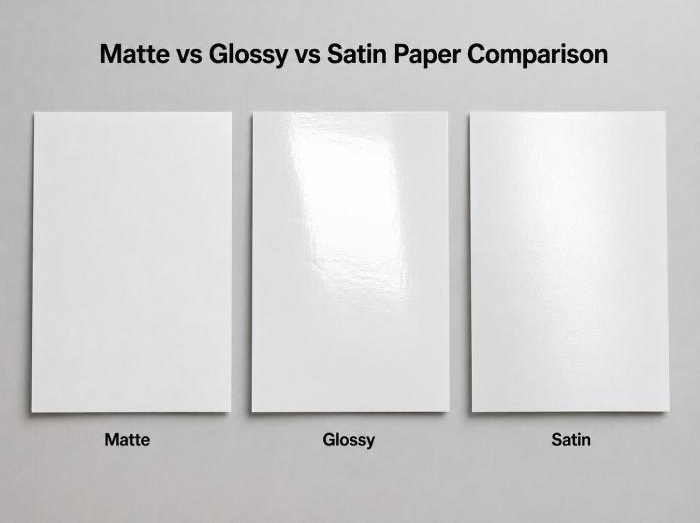
The right surface finish depends on the intended print appearance, customer preferences, and application. Buyers should compare actual samples rather than relying on finish names alone, because surface characteristics can vary between product grades.
Glossy Photo Paper
Glossy photo paper provides a reflective surface that can emphasize color and image detail. It may be suitable for photo prints and other applications where a glossy appearance is preferred. Buyers should evaluate surface reflection, color output, fingerprint visibility, and handling requirements.
Satin or Semi-Gloss Photo Paper
Satin and semi-gloss finishes offer alternatives to a highly reflective surface. They may suit customers who prefer a more restrained sheen. Because finish terminology is not always standardized across suppliers, request samples and compare them under consistent lighting.
Matte Photo Paper
Matte photo paper has a less reflective surface than glossy paper. It may be appropriate for applications where glare reduction or a non-glossy appearance is preferred. Confirm the grade’s print quality, ink compatibility, and intended use before placing a bulk order.
Does Higher GSM Mean Better Photo Paper?
No. GSM measures paper weight per square meter, but a higher GSM value does not automatically mean better print quality or better suitability for every printer. Buyers should evaluate weight alongside thickness, stiffness, coating, feeding performance, and the intended application.
When comparing samples, check the following:
- Whether the paper feels appropriate for the target application.
- Whether the thickness and stiffness suit the intended printer.
- Whether the paper feeds and stacks consistently under normal operating conditions.
- Whether printed images meet the required color, detail, and surface-quality expectations.
- Whether the selected grade offers an acceptable balance between product performance and landed cost.
Ask suppliers for the technical data sheet of each proposed grade. Confirm the stated weight and thickness tolerances rather than comparing products by nominal GSM alone.
When Should Buyers Consider Quick-Dry Inkjet Photo Paper?
Quick-dry inkjet photo paper may be worth evaluating when commercial workflows require prints to be handled or processed soon after printing. The actual drying performance depends on the paper coating, ink formulation, ink coverage, printer settings, and environmental conditions.
Before choosing a grade for a high-volume workflow, test it using the intended printer and ink. Evaluate:
- Drying time under defined printing and environmental conditions.
- Smearing or transfer when prints are handled after printing.
- Color reproduction and image detail.
- Stacking and downstream handling performance.
- Consistency across multiple sheets and repeat print runs.
Do not rely on a drying-time claim without confirming the test conditions. If a specific turnaround time is essential to your operation, ask the supplier for supporting test information and validate the result with your own equipment.
How Can Buyers Compare Photo Paper Suppliers?
Wholesale buyers should compare suppliers on product suitability, documented specifications, sample results, production consistency, and order terms—not price alone. A clear evaluation process makes quotations easier to compare and helps identify potential supply risks.
| Evaluation Area | What to Confirm |
|---|---|
| Product specifications | Finish, GSM, thickness, size, coating, and applicable tolerances. |
| Printer and ink compatibility | Supported printer types and ink systems for the specific grade. |
| Sample evaluation | Print quality, drying behavior, feeding, handling, and surface appearance. |
| Order requirements | MOQ, available formats, packaging, and customization options. |
| Supply and logistics | Production lead time, shipping arrangements, carton details, and order documentation. |
| Quality consistency | How specifications are controlled and how product issues are handled. |
Request written specifications and commercial terms from each shortlisted supplier. For repeat orders, establish a reference sample and agree on the specifications that will be used to evaluate future batches.
What Information Should You Include in a Wholesale Photo Paper RFQ?
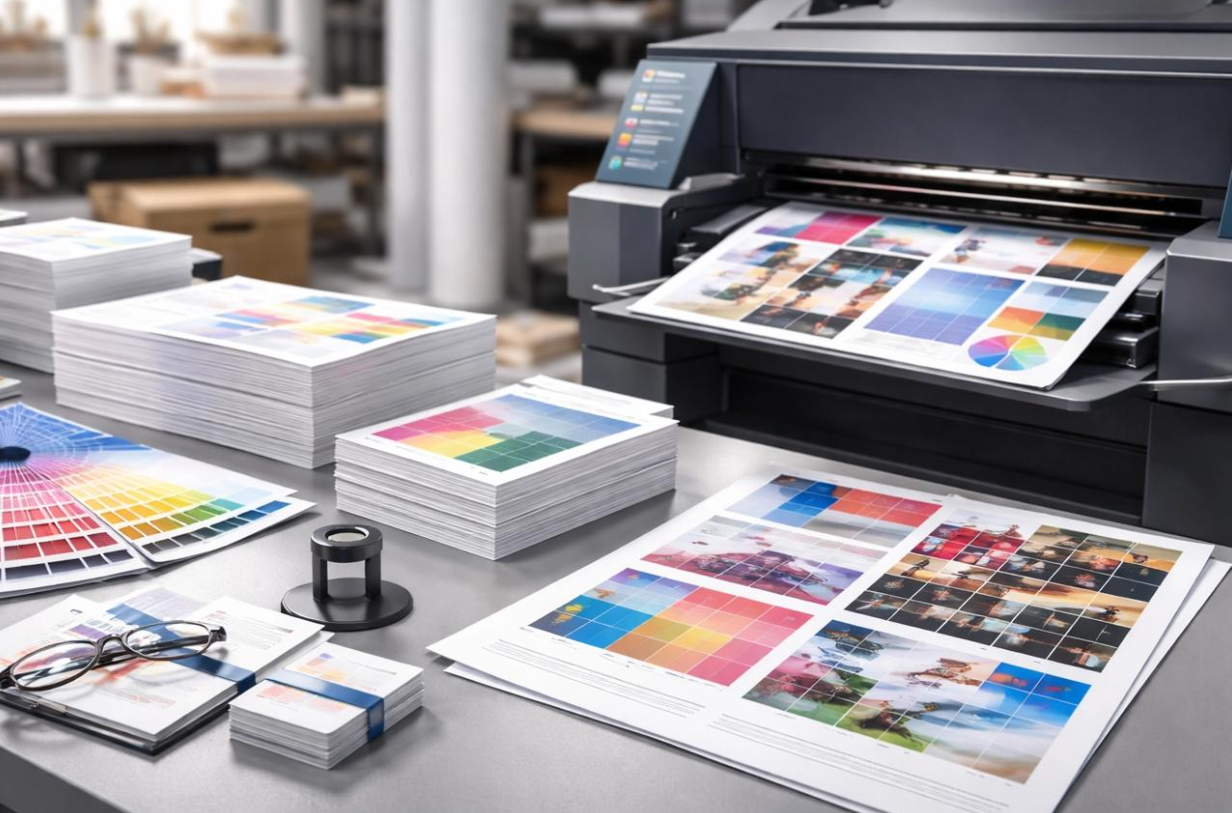
Wholesale inkjet photo paper RFQ checklist for product specifications and sample validation
A useful request for quotation (RFQ) gives the supplier enough information to recommend a suitable grade and prepare an accurate quotation. Clear requirements also reduce unnecessary sample rounds and misunderstandings during order confirmation.
Include the following details in your inquiry:
- Target product: Glossy, satin, matte, RC photo paper, or another specified type.
- Technical requirements: Target GSM, thickness, finish, ink system, and printer model where known.
- Dimensions: Required sheet sizes or roll width and length.
- Order quantity: Estimated trial order and expected repeat-order volume.
- Packaging: Sheet count per pack, retail packaging, bulk packaging, or private-label requirements.
- Target market: Destination country and intended application.
- Validation needs: Samples, technical data sheets, test information, or other documents required for evaluation.
- Delivery requirements: Destination port or address, preferred shipping terms, and target delivery schedule.
Ask the supplier to identify any specification that cannot be confirmed before sampling or production. This helps keep the quotation, sample evaluation, and final order aligned.
Why Should You Test Samples Before a Bulk Order?
Sample testing lets buyers check whether a photo paper grade meets their actual printing and handling requirements before committing to a larger order. A sample should be tested using the intended printer, ink, settings, and workflow whenever possible.
Use a consistent evaluation checklist:
- Confirm that the sample matches the quoted product specifications.
- Print the same test images across shortlisted grades.
- Compare color output, image detail, surface finish, and drying behavior.
- Check feeding, curling, stacking, and handling in the intended workflow.
- Record the product grade, test conditions, and results for future reference.
- Confirm that the sample specification will be used as the reference for the bulk order.
Testing does not eliminate every sourcing risk, but it gives buyers a clearer basis for product selection and supplier discussions.
How Can Koalapaper Support Wholesale Photo Paper Buyers?
Koalapaper supplies printing media for different commercial requirements, including inkjet photo paper and related printing products. Buyers can discuss their intended application, required format, target specifications, and order quantity to identify grades for further evaluation.
Before confirming an order, request the current technical data sheet, verify printer and ink compatibility for the specific product, and arrange sample testing where appropriate. Availability, minimum order quantities, packaging, customization, and lead times should be confirmed directly for the selected grade.
Looking for a wholesale inkjet photo paper supplier? Visit Koalapaper to explore printing media options and contact the team about your sourcing requirements.