
Introduction
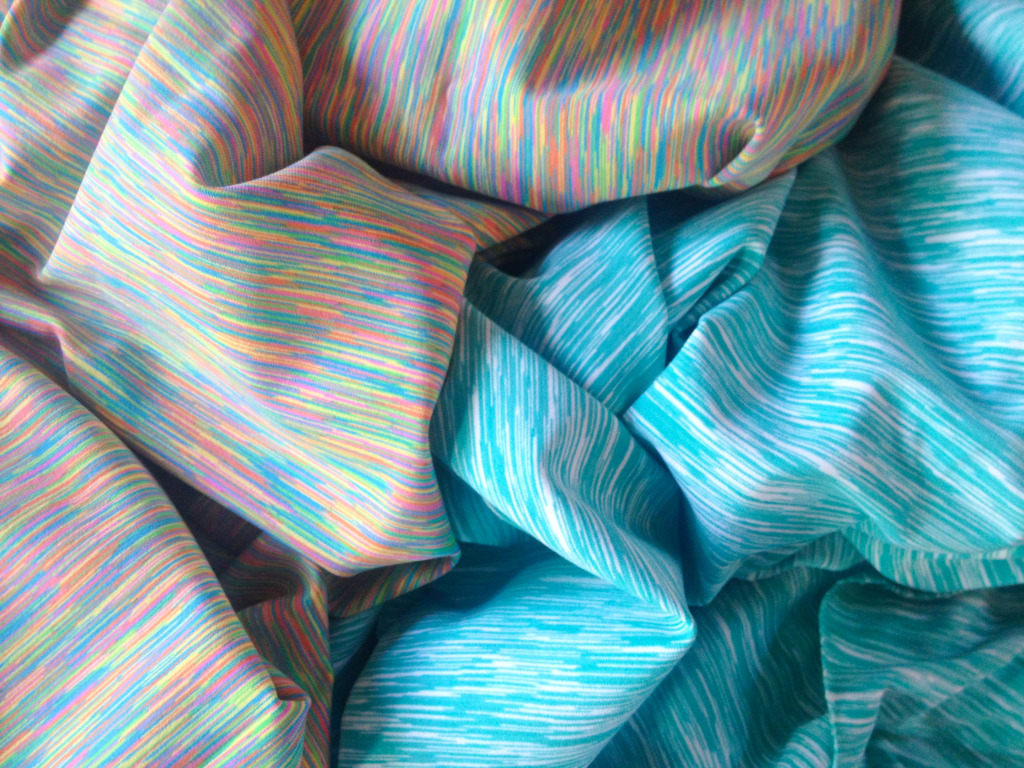
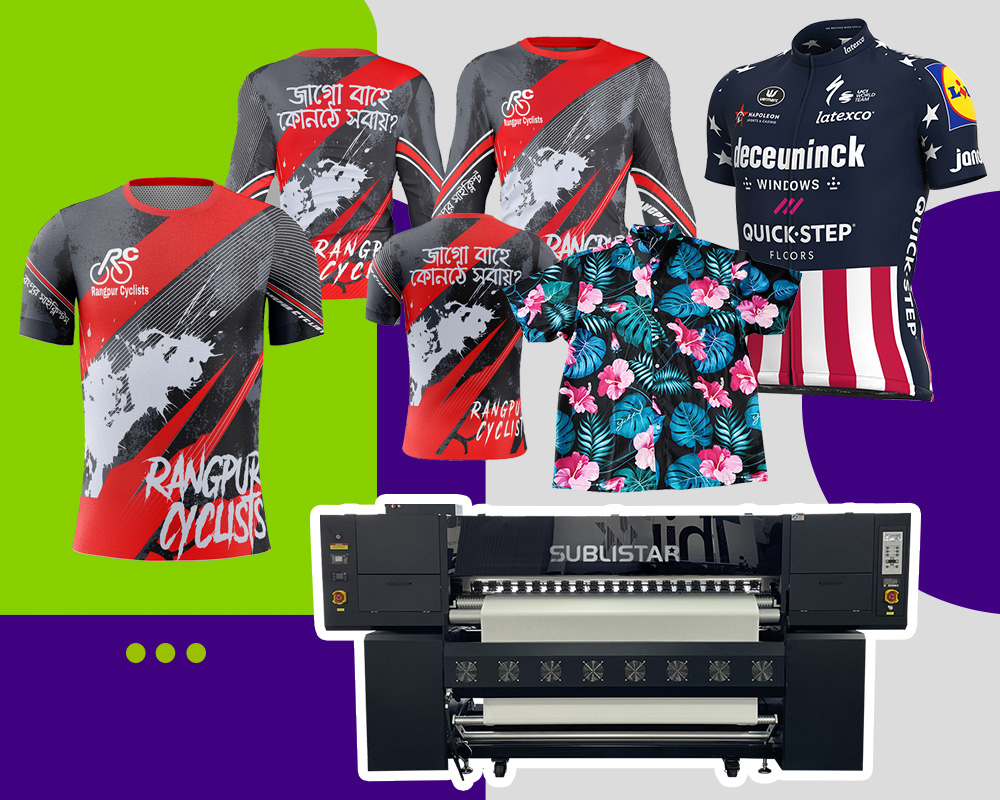
Sports apparel printing has become one of the fastest-growing sectors in the textile printing industry. From professional jerseys and cycling apparel to various esports team uniforms, fitness wear, and yoga apparel, sublimation printing has become the preferred process for vibrant, lightweight, and comfortable sportswear.
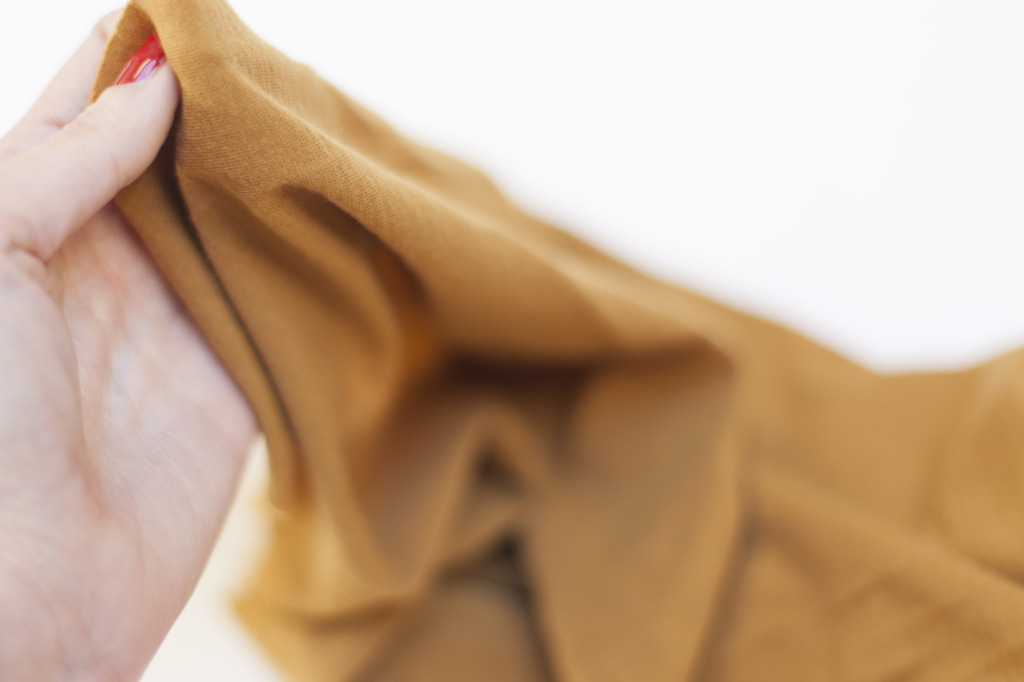
However, sublimation printing on sportswear fabrics is quite different from transferring designs onto rigid substrates such as mugs, aluminum plates, or tiles. Sportswear fabrics are primarily made of polyester fibers or elastic polyester blends, which dynamically respond to heat and pressure during the sublimation process.

Therefore, choosing the most suitable sublimation transfer paper for sportswear printing is crucial for production efficiency, avoiding image defects, and ensuring color transfer.
In the following article, we will explore:
Why is specialized sublimation transfer paper needed for sportswear printing?
Common challenges in polyester garment printing
What characteristics should high-quality sportswear sublimation transfer paper possess?
Why has "high-tack" sublimation transfer paper become the preferred solution for many manufacturers?
How should textile factories choose the right sublimation paper supplier?
This guide is written specifically for apparel manufacturers, sublimation paper wholesalers, and distributors seeking reliable sportswear factory solutions.
Why Is Sublimation Printing for Sportswear Unique ?
Unlike rigid substrates, the design philosophy behind sportswear prioritizes lightness, breathability, and elasticity. While this philosophy endows sportswear with its characteristic comfort, it can also give rise to certain challenges during the sublimation printing process.
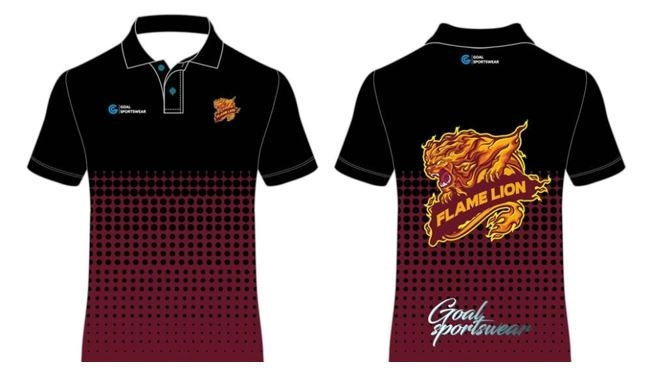
Most sportswear products are manufactured using the following materials:
- Polyester fibers
- Polyester mesh fabrics
- Polyester-spandex blends
- Compression fabrics
- High-performance stretch textiles
When subjected to the high temperatures of a heat press during the transfer process, the aforementioned fabrics undergo slight expansion.
Typical process parameters for sublimation transfer include:
- Temperature: 190–205°C
- Pressure: Medium
- Time: 30–60 seconds
Under these conditions, the polyester fibers soften and expand. While this physical change is essential for facilitating the penetration of sublimation dyes into the fibers, it also increases the risk of material displacement occurring during the transfer process.
Even a minute shift between the sublimation paper and the fabric can result in printing defects characterized by misaligned patterns.
For this very reason, sportswear manufacturers and factories often find it necessary to utilize specialized sublimation papers to ensure the stability and reliability of the transfer process.
Common Issues in Sublimation Printing for Sportswear

If unsuitable dye sublimation paper is used, various common problems may arise during the transfer process for elastic sportswear.
1.Ghosting
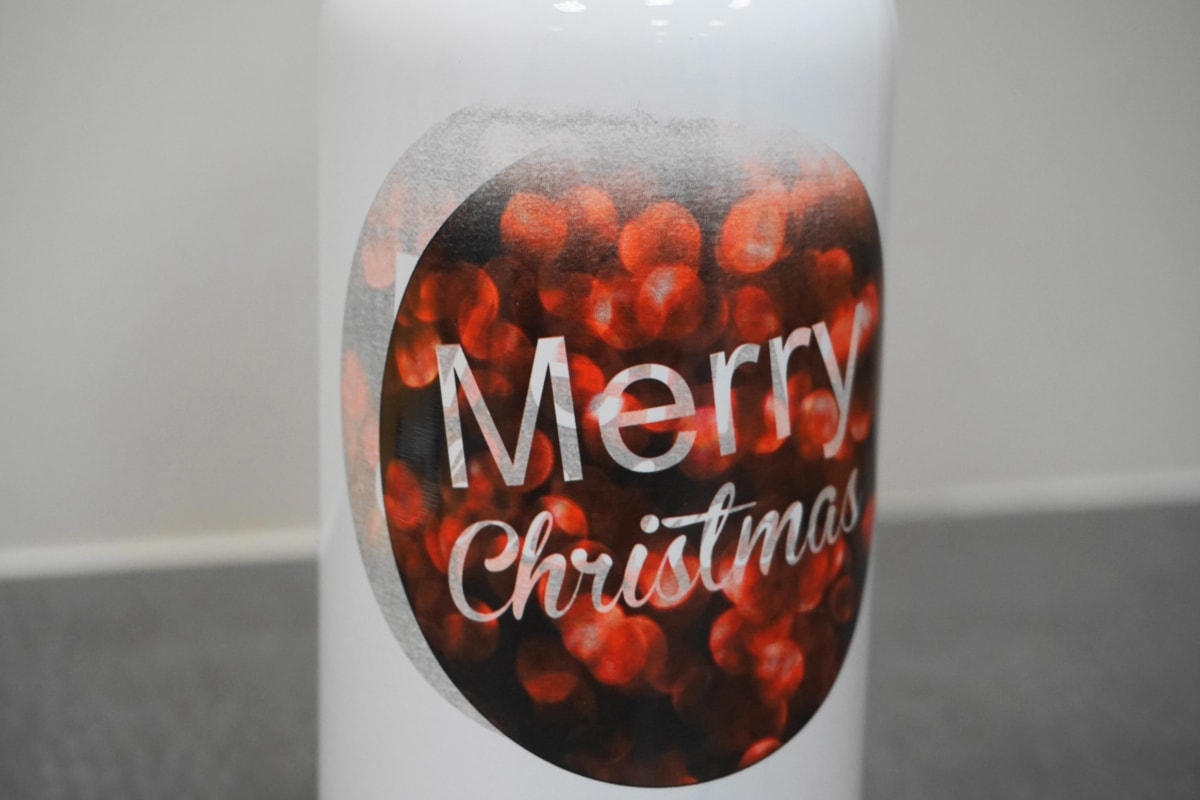
Ghosting is one of the most common issues in dye sublimation printing. This phenomenon occurs when the sublimation transfer paper shifts slightly during the heat pressing process, resulting in a blurred or "ghosted" appearance of the design.
This issue is particularly noticeable with the following types of transfer designs:
- Brand logos
- Fine text
- Graphics with sharp outlines
- Team emblems
Even a minuscule shift can significantly compromise the quality of the finished garment.
2. Edge Blurring

If there is a lack of firm contact between the transfer paper and the fabric, the edges of the printed image will appear slightly blurred. This phenomenon occurs because, during the sublimation process, any lifting or warping of the paper causes the gaseous dyes to diffuse unevenly.
For professional sportswear brands, the sharpness and clarity of pattern edges are of paramount importance.
3 Fabric Shifting During Heat Pressing
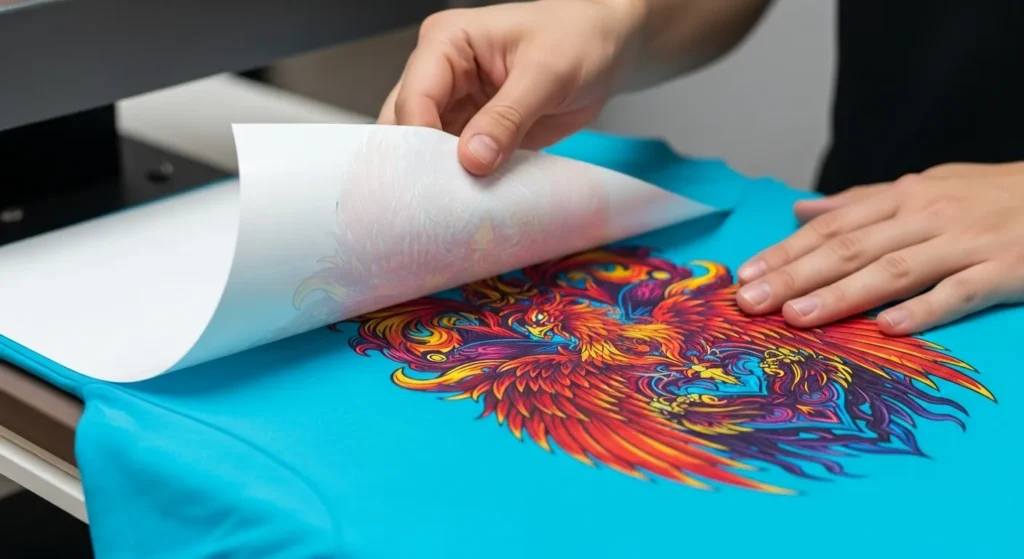
When elastic fabrics undergo heat pressing, a certain degree of shifting naturally occurs. The factors contributing to this shifting may include:
- Thermal expansion of the fabric
- Variations in pressure
- Airflow turbulence within the heat press machine
- Operator handling techniques
Conventional sublimation printing papers are unable to prevent this phenomenon of fabric shifting.
In large-scale textile manufacturing, minor deviations often accumulate and amplify rapidly. If fabric shifting occurs frequently, it can lead to the following consequences:
- Increased rates of finished product spoilage
- The need for rework and reprinting
- Increased material waste
- Production schedule delays
For factories producing elastic fabrics with a daily output reaching thousands of garments, the aforementioned issues can significantly drive up production costs and reduce overall production efficiency.
What characteristics should the best sublimation paper possess for producing high-quality sportswear?

Choosing the best sublimation paper is definitely not about choosing the cheapest option. Professional sportswear factories typically consider the following key performance indicators:
1.High Ink Transfer Rate
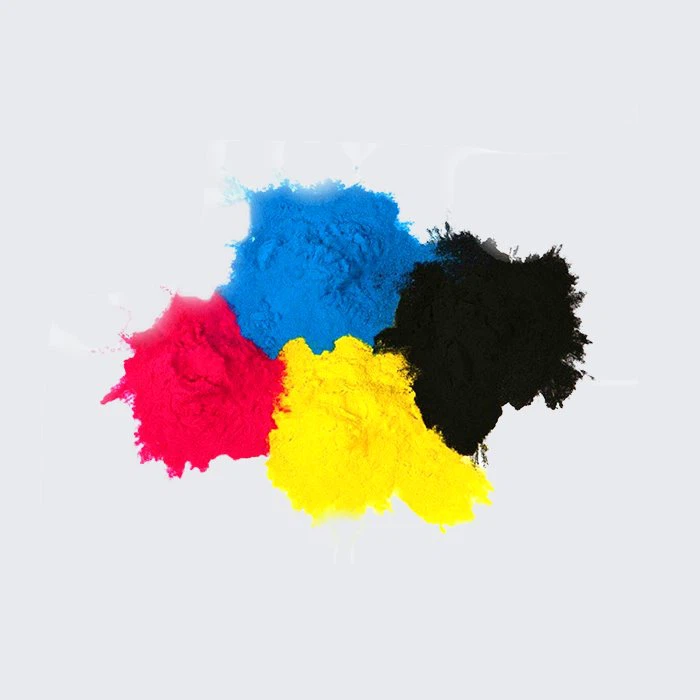
High-quality sublimation paper should release the vast majority of dye ink during the heat transfer process. High transfer efficiency helps produce vibrant colors while effectively reducing ink waste.
Typical transfer rates are typically between 90% and 98%.
2.Fast Drying Performance

Fast drying performance is especially important in high-speed printing environments. The paper should have the ability to quickly absorb ink while maintaining a smooth and stable surface for sublimation transfer.
This characteristic helps prevent ink bleeding and ensures stable and reliable operation of the sublimation printer.
3.Stable Paper Structure
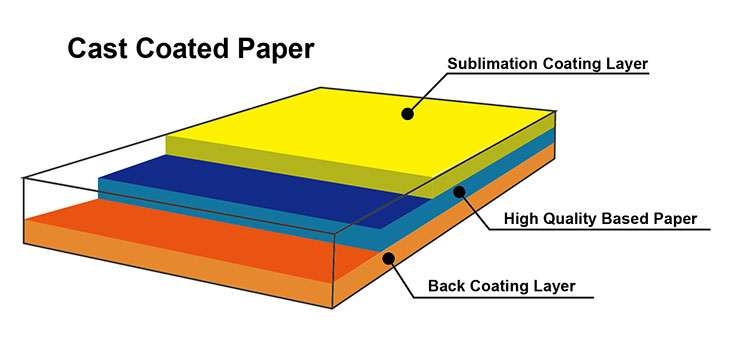
Sublimation paper used for printing on elastic garments must maintain its structural integrity at high temperatures. Curling or deformation of the paper will directly affect the quality of the finished garment.
4.Anti-ghosting capability
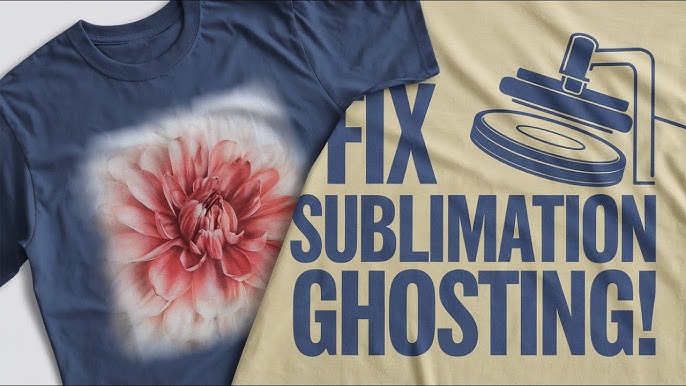
For sportswear fabrics, the most important characteristic is stability during the transfer process. The best sublimation paper should minimize the risk of paper displacement.
It is precisely for this reason that sublimation paper with adhesive properties (Tacky/Sticky Sublimation Paper) is especially valuable.
Sheet vs. Roll Sizes: Tacky Sublimation Paper
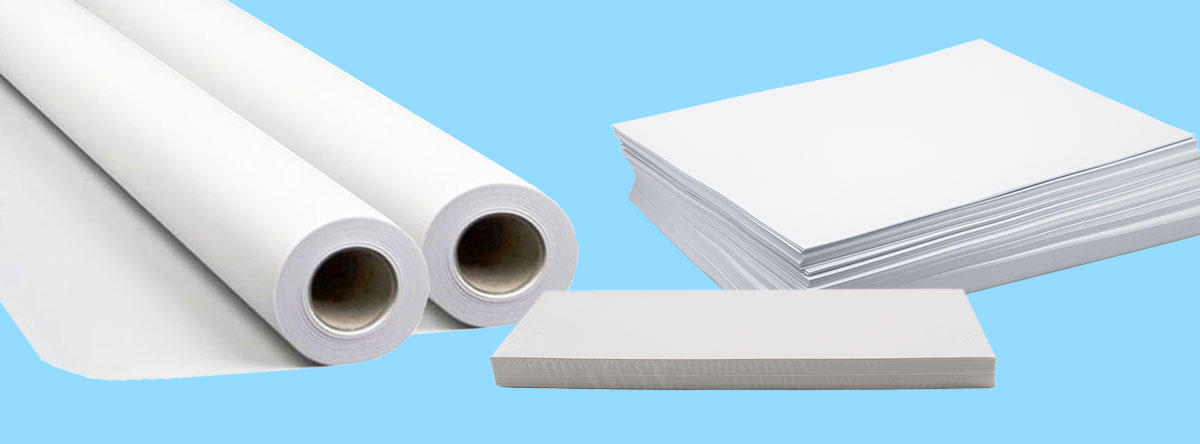
Most industrial textile manufacturers typically opt for roll-format sublimation paper to facilitate continuous printing workflows and compatibility with rotary heat press systems.
However, many businesses and studios—driven by the requirements of small-scale production—also require the use of sheet size Tacky sublimation paper.
Common applications for sheet-format sublimation paper include:
- Sample creation
- Small-batch custom orders
- Flatbed heat press printing
- Design proofing and testing
- Small-scale garment production
A common issue encountered in the market is that sheet and roll adhesive sublimation papers sometimes utilize different coating technologies, resulting in inconsistencies in the final printed output.
Professional sublimation paper manufacturers can effectively resolve this issue by ensuring that both paper formats possess identical coating properties.
For instance, our sublimation manufacturing facility supplies Tacky sublimation paper in both sheet and roll size, both of which exhibit identical transfer characteristics. This enables downstream businesses to transition seamlessly from the prototyping and proofing stage to full-scale mass production without the need to recalibrate color profiles or heat press parameters.
This level of consistency is particularly invaluable for sportswear brands that require the flexibility to produce both custom samples and large-scale production orders.
The Best Fabrics for High-Tack Sublimation Paper
High-tack sublimation paper proves particularly effective when used with fabrics that are prone to shifting or displacement during the heat transfer process.
These fabrics include:
- Polyester sportswear fabrics
- Polyester-Spandex blends
- Stretch mesh fabrics
- Compression fabrics
- Lightweight athletic textiles
These materials are frequently utilized in high-performance athletic apparel due to the following characteristics:
- Breathability
- Moisture-wicking properties
- Flexibility
- Lightweight comfort
However, it is precisely these characteristics that make them more sensitive to movement and handling during the heat transfer process.
The use of high-tack sublimation paper helps to stabilize these fabrics, thereby ensuring precise and consistent printing results.
Sports Apparel Applications
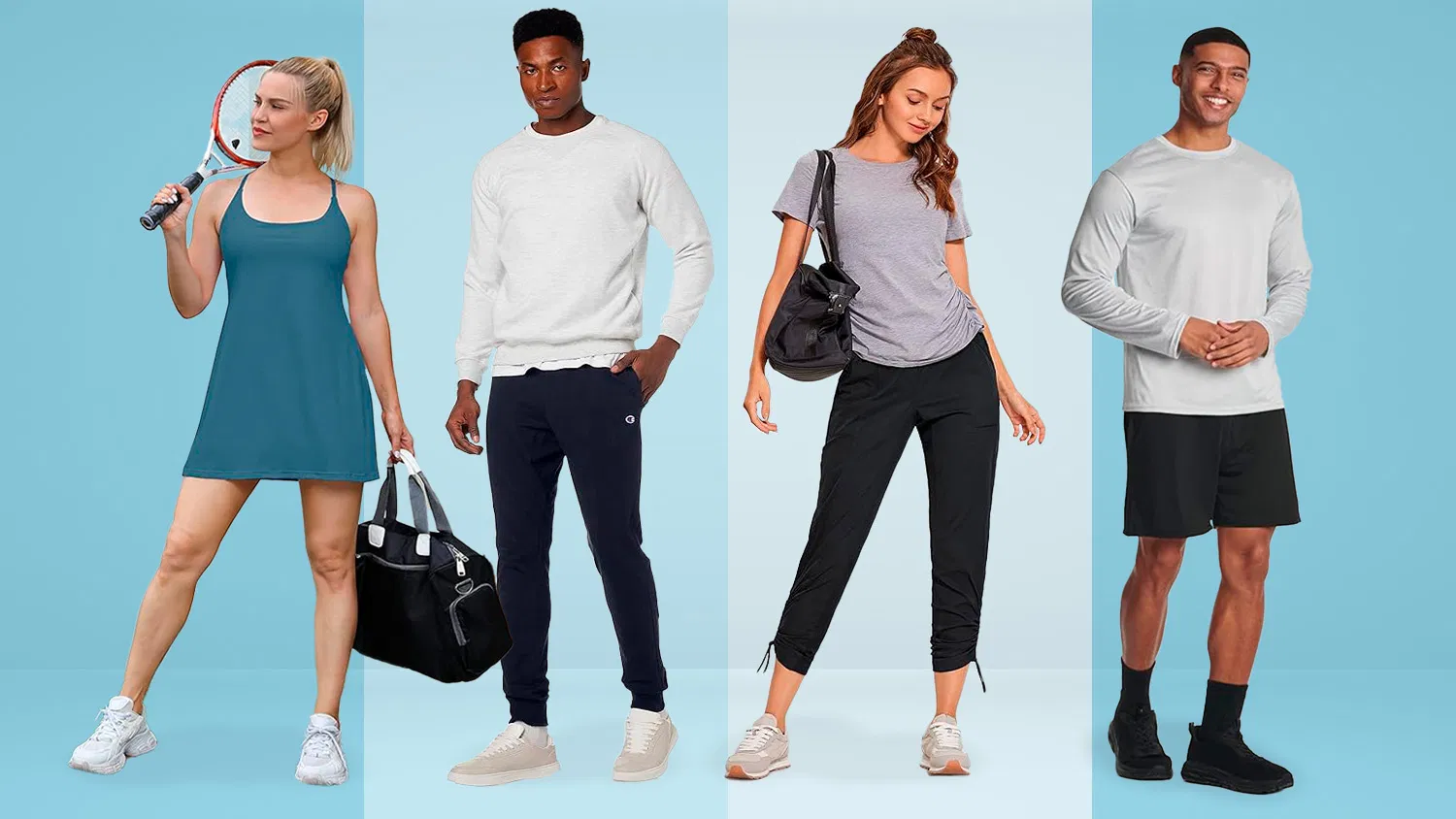
Due to its anti-ghosting properties, adhesive sublimation paper is widely utilized across various categories of sportswear.
Common applications include:
Football Kits
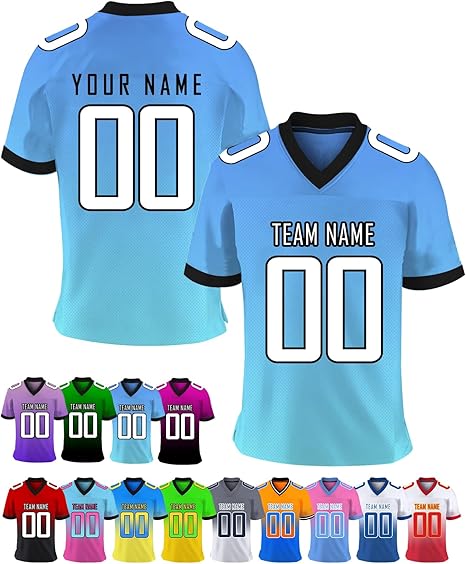
Both professional and amateur football teams require vibrant colors and crisp team logos. Sublimation printing technology enables full-coverage designs while preserving the fabric's breathability.
Cycling Apparel
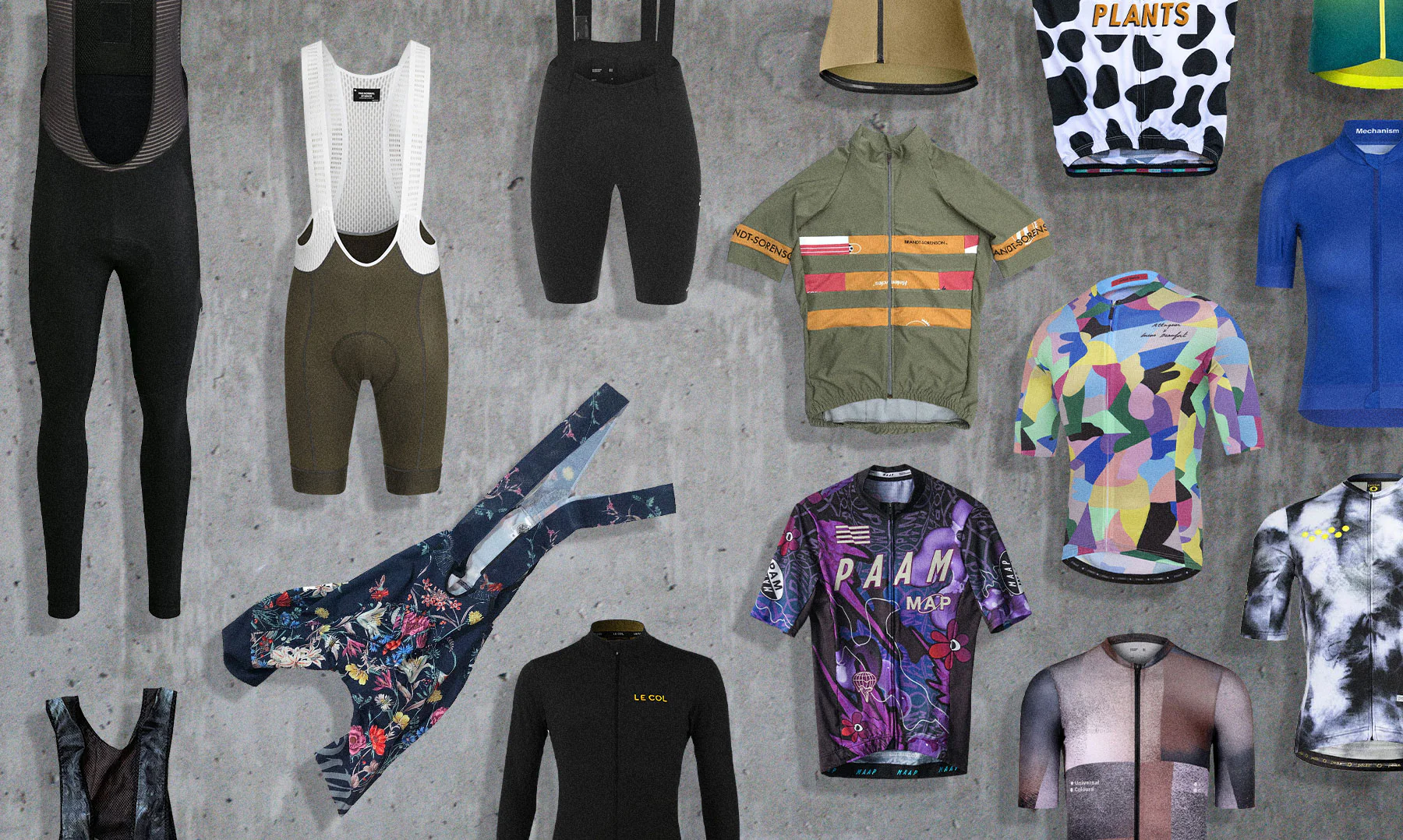
Cycling apparel typically utilizes highly elastic fabrics, which require stable transfer conditions to ensure optimal results.
Running Gear
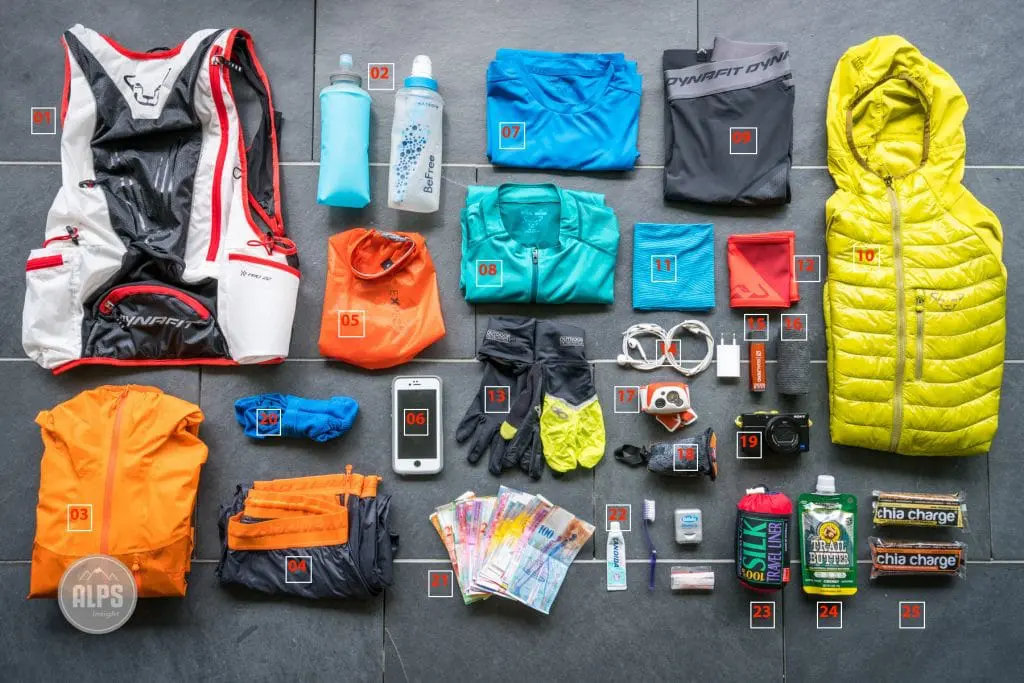
Lightweight running apparel benefits from sublimation printing technology, as the ink permeates the fabric fibers rather than merely resting on the surface.
Esports Jerseys

Esports jerseys often feature intricate designs and sponsor logos. Sharp image quality is crucial for effective brand promotion.
Yoga and Fitness Wear

The stretch fabrics used in yoga apparel require stable printing conditions to ensure that patterns remain perfectly aligned.
Industrial-Scale Sportswear Production

Large-scale sportswear manufacturing facilities typically utilize industrial-grade roll-to-roll sublimation printing systems.
These production lines primarily consist of:
- Large-format sublimation printers
- Continuous-feed heat transfer calenders
- Automated fabric feeding systems
- High-speed textile finishing equipment
In such production environments, maintaining consistent results is of paramount importance.
Tacky sublimation paper plays a crucial role in enhancing the precise positioning of patterns—particularly during extended periods of continuous production—by minimizing transfer displacement.
How to Choose the Right Sublimation Paper Supplier
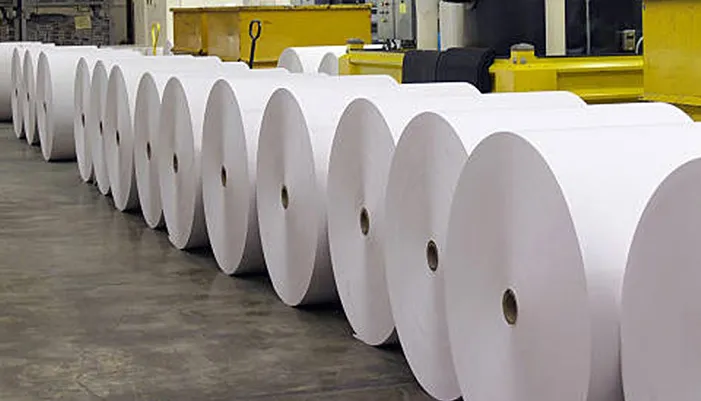
For professional printing studios and textile manufacturers, selecting the right sublimation paper supplier is every bit as critical as choosing the right paper itself.
Here are the key factors to consider:
Manufacturing Experience
Experienced sublimation paper manufacturers are typically better equipped to control coating formulations and ensure consistency throughout the production process.
Coating Technology
High-quality sublimation paper relies on precise coating processes to ensure consistent ink absorption and release performance.
Batch Consistency
A trustworthy supplier can guarantee that their products maintain a consistent level of quality across different production batches.
Specification Flexibility
Suppliers capable of offering both sheet and roll sublimation paper make it easier for customers to scale their production operations according to their specific needs.
Technical Support
Professional suppliers often provide technical guidance to assist customers in optimizing transfer parameters and resolving various technical challenges encountered during the printing process.
Conclusion
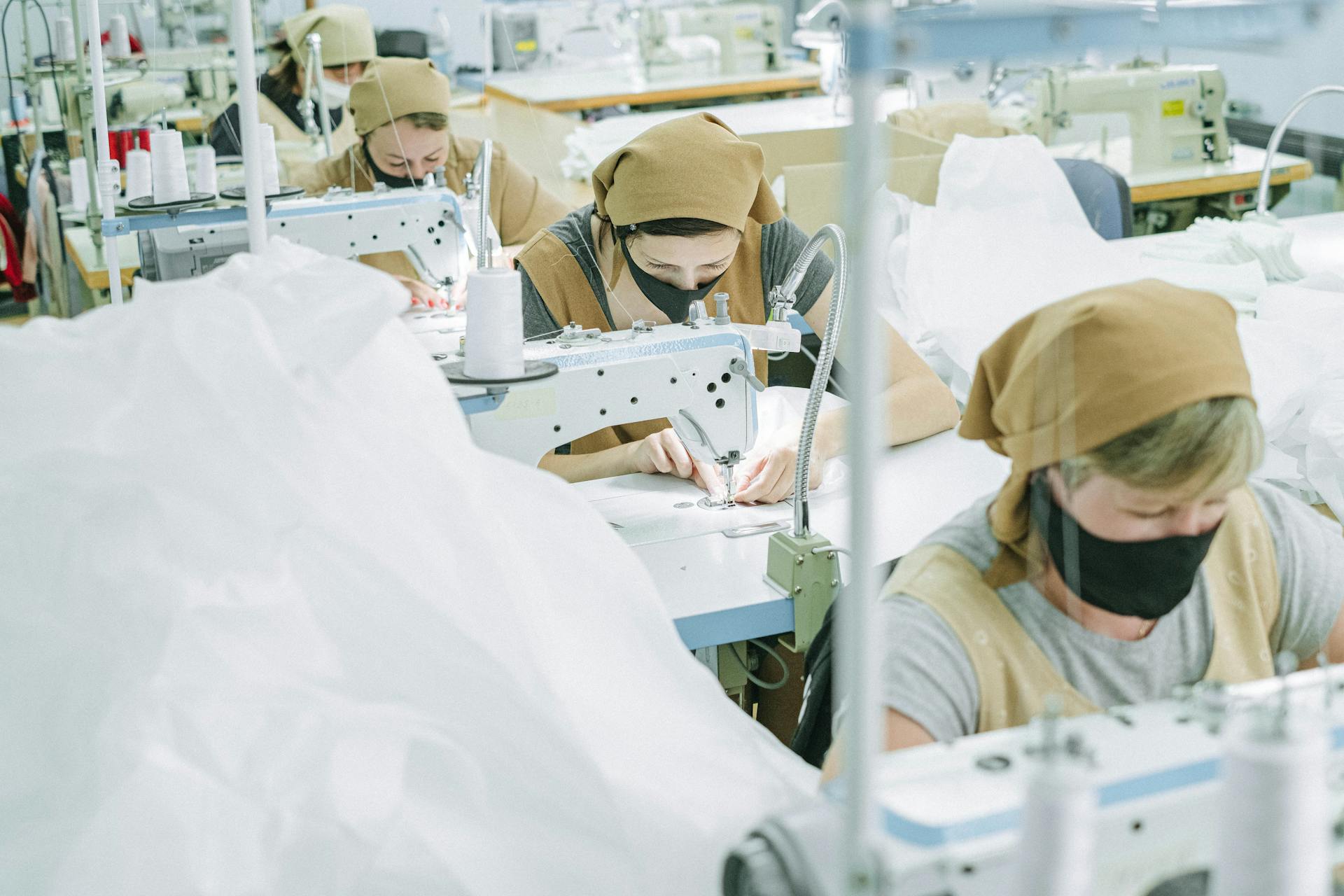
Selecting the most suitable sublimation transfer paper for sportswear is a critical step in achieving stable, high-quality printing results on elastic fabrics.
Although standard sublimation transfer paper remains suitable for many rigid substrates and fabrics with good dimensional stability, the printing process for sportswear fabrics—given their inherent elasticity and susceptibility to thermal expansion—presents numerous challenges.
For many manufacturers, the use of tacky sublimation transfer paper offers a highly effective solution; it stabilizes the transfer process and significantly mitigates the risk of "ghosting."
By virtue of its advantages in enhancing transfer precision, production consistency, and operational efficiency, tacky sublimation transfer paper has become an indispensable material in the field of modern sportswear manufacturing.