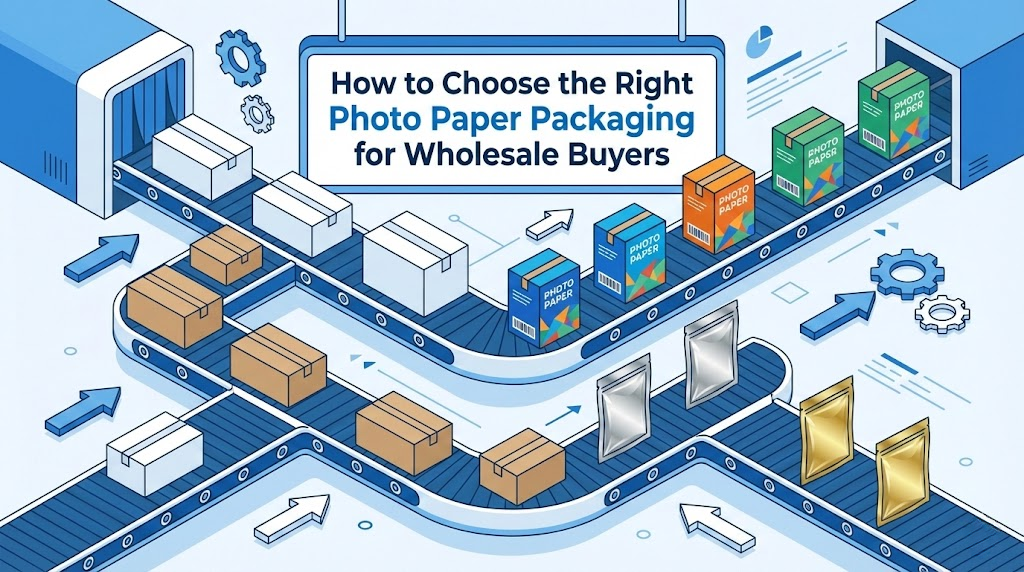
In this blog post, we will introduce the seven photo paper packaging solutions currently offered by Koala Paper.
We will discuss the features and typical use cases of each option. This will help buyers make smarter decisions based on their needs.
First, you should understand why Koala Paper always emphasizes one point:
In photo paper purchasing, packaging is just as important as the paper itself.
Why Is Photo Paper Packaging Equally Important?
Photo paper is highly sensitive to environmental factors such as light and humidity.
Many customers spend a lot of effort choosing the right paper. However, if the packaging is improper, problems can occur. For example, moisture or deformation may happen during storage or long-distance transport. As a result, a full quarter of profit may be lost.
Therefore, it is critical to choose a photo paper factory with strong export experience and a proven packaging system.
Some customers value flexibility. They prefer neutral packaging for easy relabeling or further processing. Others need clear brand display, or even direct shelf-ready sales. These different needs mean packaging must match the use case. A one-size-fits-all approach does not work.
Based on these two factors, Koala Paper has built a complete photo paper packaging system. Below, we will introduce the most common options for your reference.
Neutral Basic Packaging Solutions
These solutions focus on practicality and flexibility. They are common in bulk distribution, inner packaging, or products that need further processing.
Neutral Transparent Bag Packaging
Transparent bag packaging is widely used in the photo paper wholesale market.
It usually uses clear plastic bags with a simple seal.
This packaging has no brand information, so it offers high compatibility.
It suits bulk orders, inner packaging, or customers who plan to add outer packaging or labels.
Compared with printed packaging, it focuses on basic protection and cost control.
It does not aim for display value.
Therefore, it is often used in distribution-driven projects or workflows with further processing.
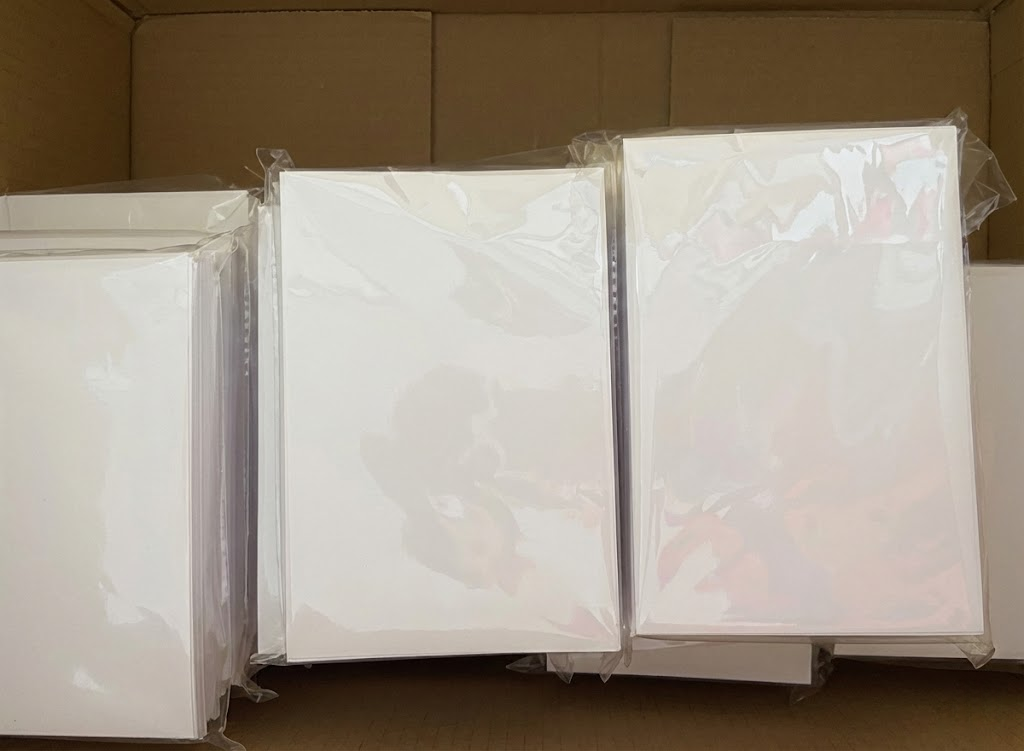
neutral package
White Box Packaging
Compared with transparent bags, white box packaging offers better protection.
It usually uses plain white paperboard boxes without printing.
White boxes provide strong structural support.
They improve resistance to pressure during handling and transport.
If you need higher protection, or if logistics are complex, this option works well.
Another key advantage is versatility.
The clean box surface allows buyers to add custom labels or brand marks as needed.
At the same time, it avoids the minimum order quantity and cost pressure of fully printed boxes.
Therefore, it is often used for early-stage brands, multi-SKU distribution,
or projects that need cost control with consistent packaging.
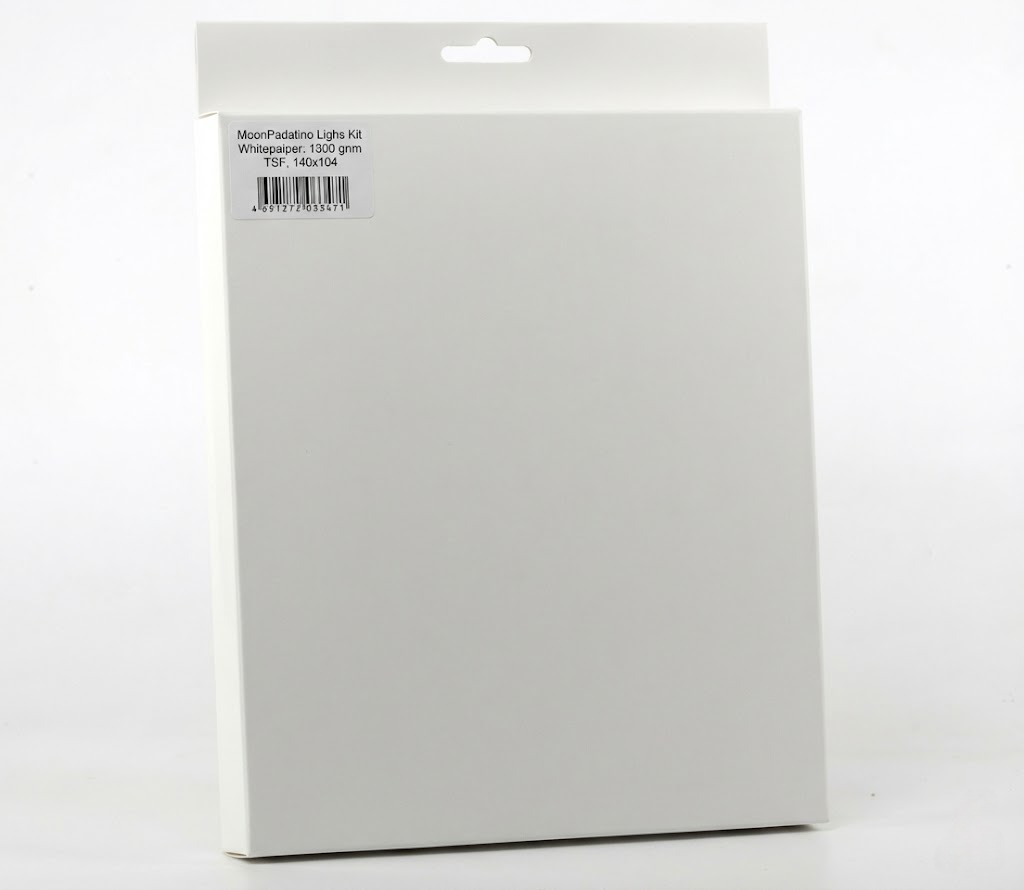
white box packaging
Branding and Display-Oriented Packaging
The core goal of branded packaging is clear product information and strong brand image.
It is often used for downstream distribution or direct retail and shelf sales.
Color Card Insert Packaging
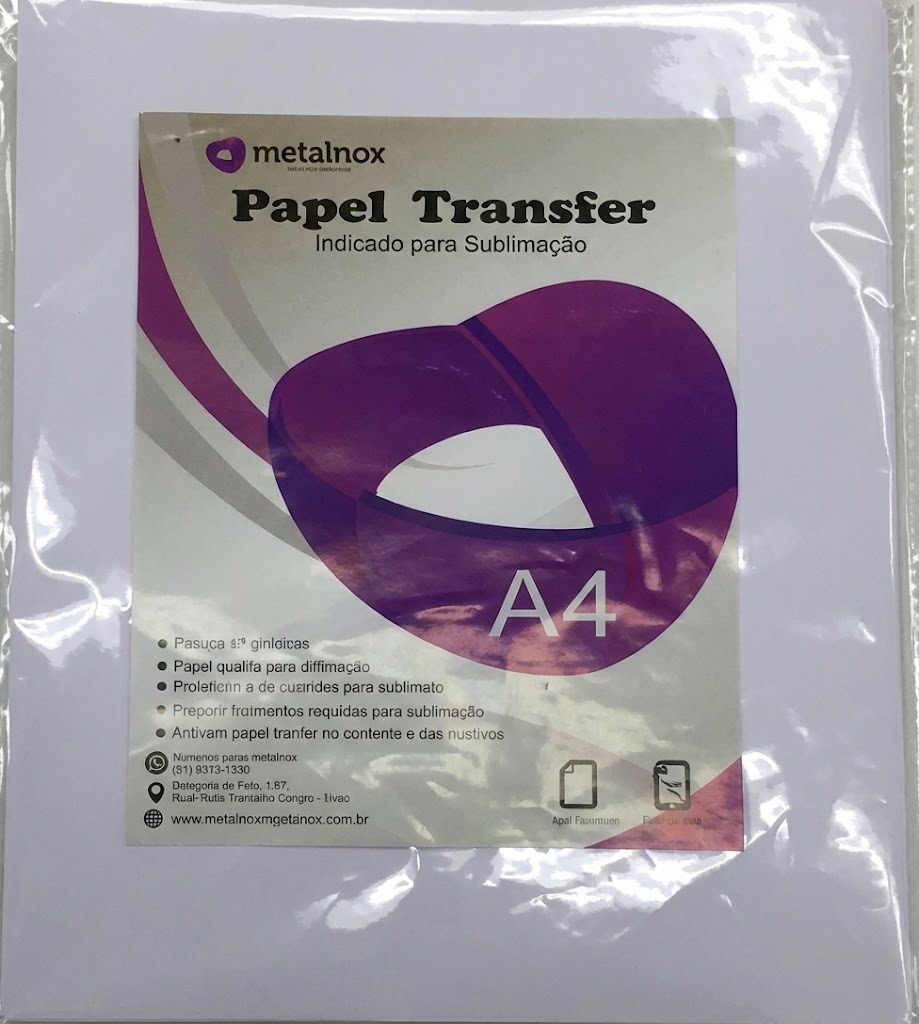
Color card insert packaging combines a transparent bag with a printed color card.
It keeps the product visible while enabling basic brand display.
You can show your logo, product specs, and key selling points on the card.
This helps end customers understand the product at a glance.
Therefore, it is often seen as an entry-level branded packaging option.
It suits wholesale distribution, early private-label products,
or markets that require product visibility.
Compared with full color boxes, this option is simpler and more cost-friendly.
However, it still meets basic brand recognition needs.
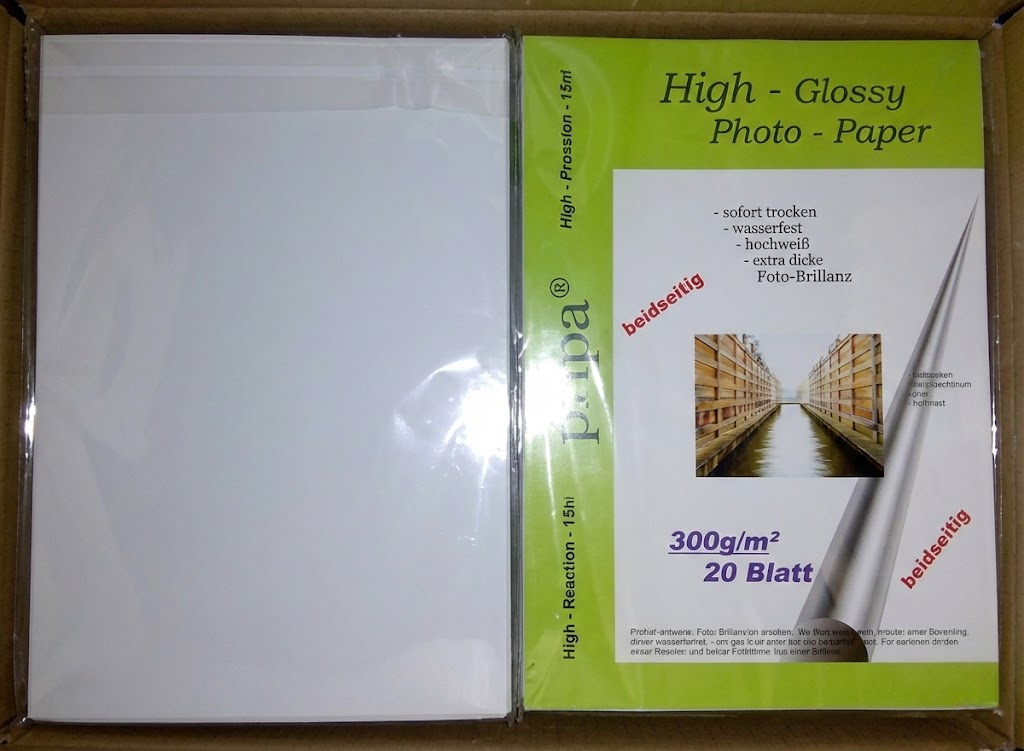
color insert packaging
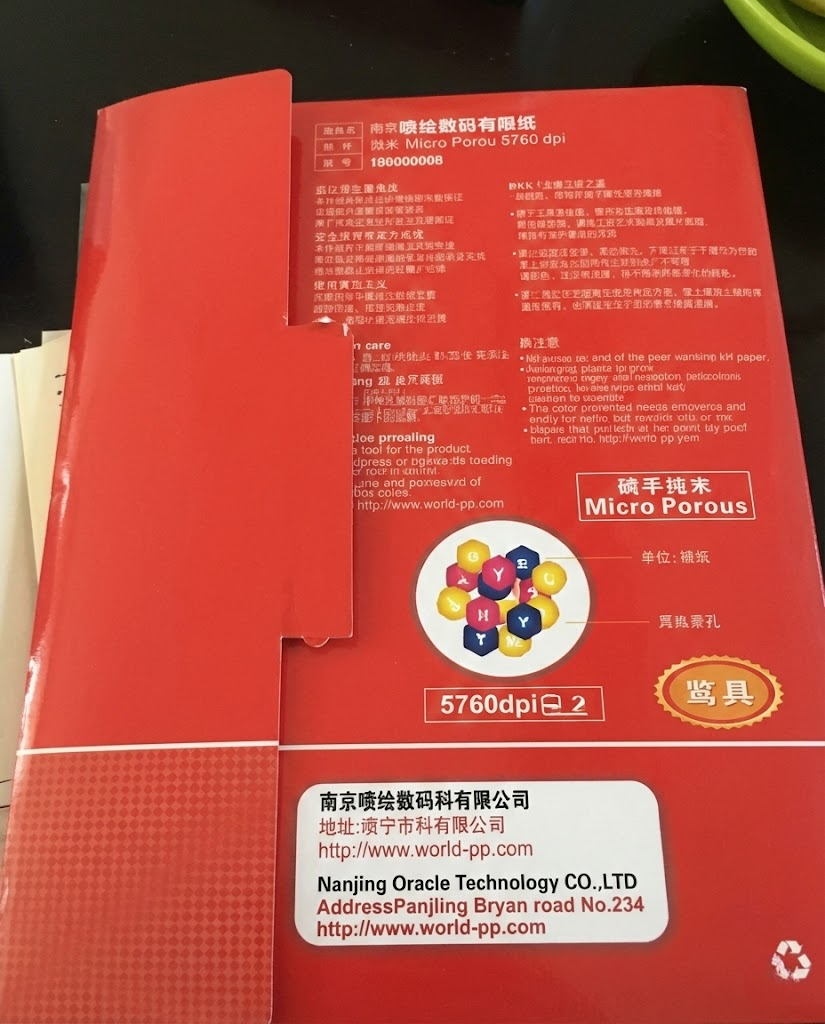
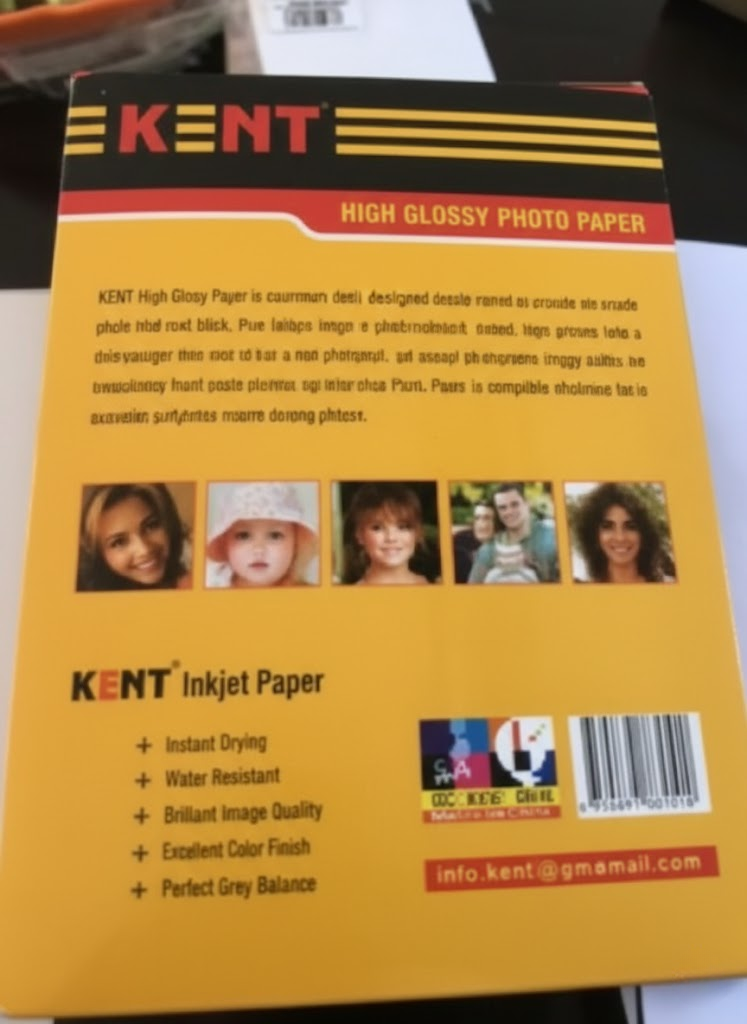
Full Color Box Packaging
If shelf impact and visual branding matter more, full color boxes are a better choice.
These boxes use fully printed paperboard and offer more design freedom.
They can fully present brand identity, product details, and design elements.
At the same time, the rigid structure provides better protection during storage and transport.
This packaging is commonly used for mature brands or ready-to-sell shelf products.
However, total cost is higher.
Therefore, it suits higher-priced products with clear positioning.
Enhanced Protective Packaging
If your photo paper requires long-term storage or transport in high-humidity conditions,
these options are more suitable.
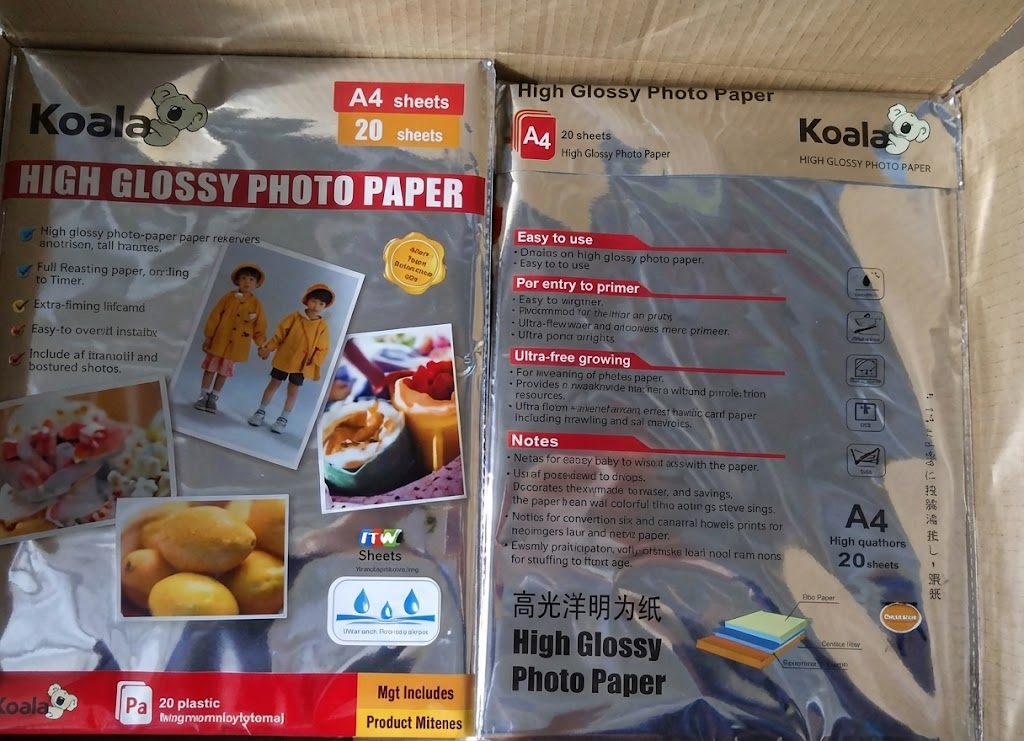
Aluminum Foil Bag Packaging
Aluminum foil bags use sealed foil material.
They are available with or without printing, based on your needs.
Foil offers excellent light blocking and moisture resistance.
It reduces the impact of light and humidity on photo paper.
As a result, it extends storage stability.
Therefore, this option works well for humid regions, sea freight exports,
or distribution projects that require long-term stock.
aluminum bag
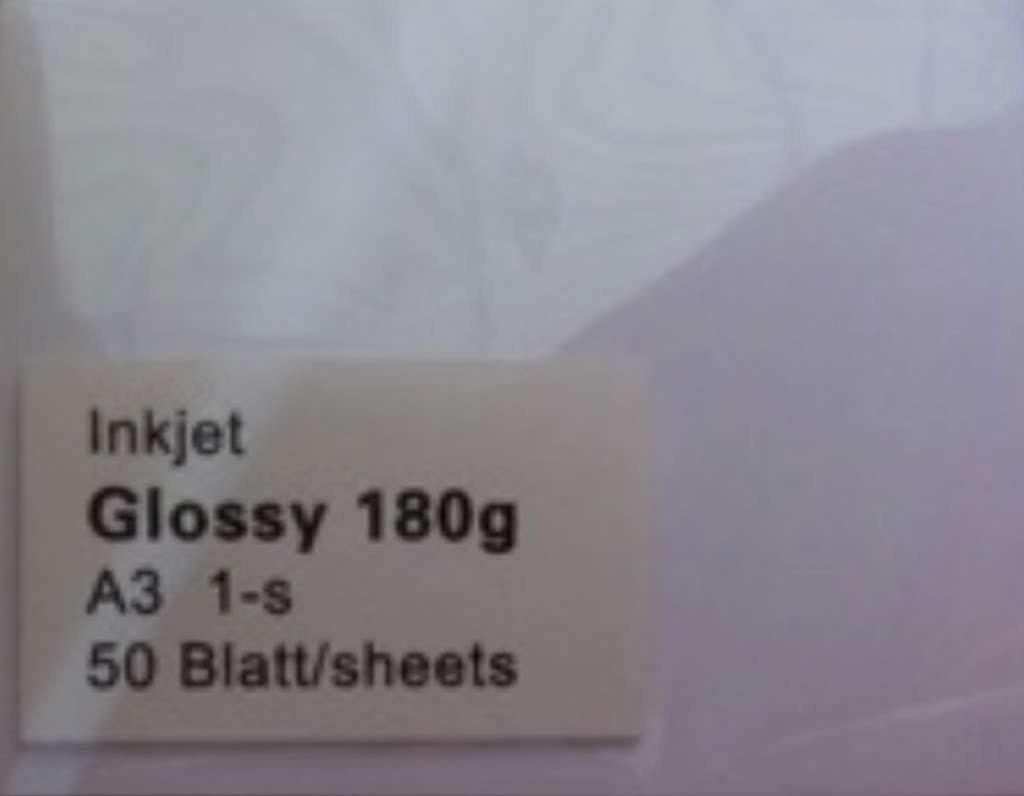
Custom Label Packaging
The final option is label-based packaging.
Labels can be white or color.
They are usually applied to bags or boxes.
They show key details such as size, weight, surface type, and barcodes.
Because labels are flexible, they work especially well for multi-SKU management.
For wholesale business, labels help simplify inventory control.
They also improve clarity during sorting and distribution.
This makes label packaging a lightweight but highly practical support solution.
Conclusion
Buyers should choose packaging that matches their specific needs. Understanding these options helps you balance costs and market feedback.
If you have questions about packaging or paper specs, please ask us. Koala Paper welcomes your inquiries. Our experts provide professional advice for wholesale and OEM plans. We help ensure your project has stable quality from the start.