What Is Satin Photo Paper — and Why Do People Also Call It “Luster” or “Pearl”?
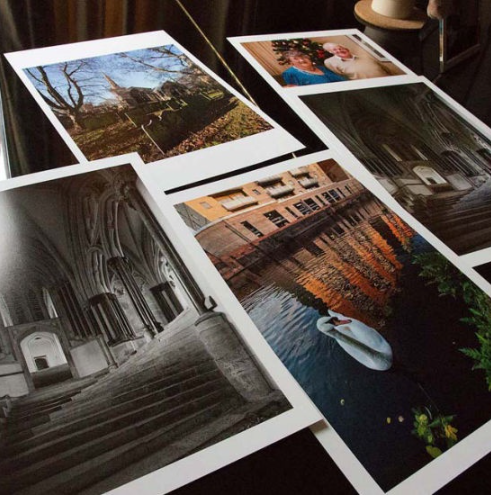
Satin photo paper has a soft, controlled sheen. It reflects light gently instead of throwing it back like a mirror, so colors stay clear and saturated without the harsh glare you get from glossy paper. In the trade, you’ll also see it called luster, pearl, silk, or semi-gloss. Different mills use different coating recipes, but the visual promise is the same: more glow than matte, less shine than glossy.
If you’re sourcing from a wholesale photo paper supplier, this matters because satin isn’t some vague in-between grade. It’s a real spec category you can position and price as a premium finish. Our satin line uses a resin-coated base with a micropore structure, so it dries fast and works with both dye and pigment inkjet inks.
Glossy vs. Matte vs. Satin: What Actually Changes for a Premium Print Line
Glossy gives you maximum color punch and contrast, but it also gives you mirror-like reflections and fingerprints. Matte kills glare and looks understated, but blacks can go lighter and colors can flatten out. Satin keeps most of glossy’s color depth while cutting glare and handling marks. That’s exactly why wedding, portrait, and fine-art photographers have leaned on luster finishes for years.
| Dimension | Glossy | Matte | Satin / Luster |
|---|---|---|---|
| Surface sheen | High, mirror-like | Flat, non-reflective | Soft, controlled glow |
| Color saturation | Highest | Moderate | High, close to glossy |
| Black density | Deep | Lighter black point | Rich, near-photographic |
| Glare under display lighting | High | None | Low to minimal |
| Fingerprint visibility | High | Low | Low |
| Perceived premium signal | Can read as “commercial” | Understated, editorial | Gallery-style, refined |
| Best-fit premium applications | Mass-market photo prints, vivid display | Fine-art text-heavy pieces, menus | Wedding albums, portraits, art reproduction, luxury collateral |
This isn’t a ranking. It’s a positioning map. Glossy and matte each have a clear job. Satin’s job is to be the premium middle spec that lets your clients sell a finish that feels intentional, not default. As a B2B photo paper supplier, we’ve seen that positioning make the difference between selling a commodity sheet and supplying a premium line.
Why Premium Buyers Choose Satin — and What It Means for Your Product Line
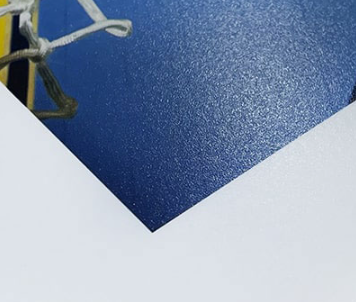
Premium buyers choose satin because it solves a display problem glossy can’t fix (glare and fingerprints) and a perception problem matte sometimes creates (flatness and lighter blacks). Satin prints stay viewable from multiple angles under gallery, retail, and event lighting, and they hold up to handling. That’s why luster/satin has been the traditional professional finish for wedding, portrait, and fine-art photography.
For a photo paper manufacturer or print service provider, that’s a product-line opportunity. Satin shouldn’t be the “mid-tier” SKU you hide at the bottom of the sample book. It’s a premium specification you can lead with when clients want a gallery-quality look without the fragility of glossy handling. We built our satin surface to resist fingerprints and reduce reflections while keeping strong color saturation and detail.
Where Our Satin Photo Paper Performs Best in Premium Production
Our satin photo paper works best where color depth and handling durability matter more than maximum shine — wedding and portrait albums, fine-art and photographic reproduction, premium lookbooks and presentation proofs, luxury menus and brand collateral, and exhibition prints viewed under mixed lighting.

A few specific B2B use cases:
- Wedding and portrait albums — satin/luster has long been the professional photographic finish for first-class portrait and wedding results. Strong skin-tone rendering, reduced glare across spread pages.
- Fine-art and photo reproduction — satin holds richer blacks and more saturated color than matte, and it avoids the mirror effect that can flatten detail under gallery spotlights.
- Luxury brand collateral — menus, lookbooks, presentation folders, and packaging proofs benefit from a finish that feels considered rather than shiny.
- High-end retail and exhibition prints — reduced glare keeps the image readable from oblique angles and under uncontrolled lighting.
Our satin range comes in cut-sheet and roll formats for professional inkjet workflows. The 250gsm resin-coated construction balances body and flexibility for album spreads and mounted prints. The micropore coating supports immediate drying, which matters when prints are stacked, handled, or laminated soon after output. If you’re sourcing through a wholesale photo paper supplier, confirm format coverage and batch consistency before you scale.
Production and Procurement Checklist for Wholesale Satin Photo Paper
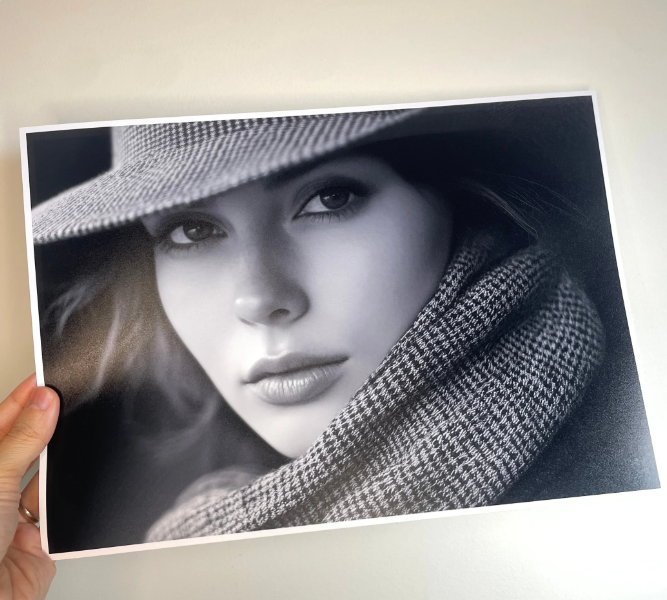
When you’re specifying satin photo paper for a premium line, confirm four things: ink compatibility (dye vs. pigment), coating durability for handling and finishing, batch-to-batch color and sheen consistency, and format availability (cut sheet vs. roll). Our satin line is formulated for water-based inkjet, dye, and pigment inks, with a resin-coated, waterproof, fade-resistant construction built for professional handling and display permanence.
Here’s the evaluation sequence we recommend when choosing a photo paper supplier:
- Get a swatch set comparing glossy, matte, and satin side by side under the same printer/ink profile.
- Run the satin surface through your actual finishing workflow — lamination, mounting, album binding, stacking.
- Check sheen consistency across batches, not just within one pack. Satin’s premium value depends on a repeatable, controlled gloss level.
- Confirm format coverage — cut sheet for portrait/album studios, roll for large-format display and reproduction.
- Verify supplier documentation and stock reliability — a B2B photo paper supplier should be able to confirm current GSM, coating spec, and regional availability without guesswork.
How to Position Satin as a Premium Upgrade, Not a “Middle Option”

The positioning mistake is calling satin “between glossy and matte” in a way that sounds like a compromise. The stronger commercial framing is this: satin is the finish professionals choose when they need color depth and handling durability in the same sheet. Glossy isn’t the premium default; it’s one finish with a specific look. Matte isn’t the only “serious” finish; it’s one tonal choice. Satin lets a premium line promise gallery-style color without gallery-style fragility.
For our distributors and wholesale partners, that means satin can anchor a premium tier instead of diluting it. Use side-by-side sample kits. Let the client see the sheen difference under their own lighting. Price satin as the specification it is — a resin-coated, micropore, handling-resistant premium photo paper — not as a generic mid-range sheet. A reliable photo paper supplier should help you build that sample kit and defend the premium positioning, not just quote a per-sheet price.
FAQ: Satin Photo Paper and Choosing a Photo Paper Supplier
Is satin photo paper the same as luster or pearl?
Not identical in every mill’s recipe, but they’re in the same semi-gloss family: more sheen than matte, less mirror than glossy. In procurement, confirm the actual gloss level and coating spec, not just the marketing name.
Does satin photo paper reduce fingerprints and glare?
Yes. Reduced glare and better fingerprint resistance are two of the main reasons satin/luster finishes get chosen for handled premium products like albums, menus, and presentation pieces.
Can your satin photo paper be used with both dye and pigment inks?
Our satin line is described as compatible with water-based inkjet, dye, and pigment inks, with a micropore coating for fast drying. As with any paper, validate with your specific printer/ink profile before scaling a production run.
What GSM is your satin photo paper available in?
Our satin offering includes 250gsm resin-coated cut sheets, and the broader satin range varies by format and market. Confirm current stock specifications with your Koala representative for your region.
Is satin a good fit for wedding albums and fine-art reproduction?
Yes. Luster/satin has traditionally been the professional photographic finish for wedding, portrait, and fine-art work because it balances saturated color, deep blacks, and reduced glare under display conditions.
How do I choose a wholesale photo paper supplier for satin stock?
Start with a swatch comparison under your own lighting, test finishing compatibility, confirm batch-to-batch sheen consistency, and verify format and GSM availability. A photo paper manufacturer with direct coating control is generally better placed to hold satin’s gloss level consistent than a trader sourcing from multiple mills.
Satin photo paper doesn’t sit between glossy and matte because it’s undecided. It sits there because it solves a specific premium problem — color depth that survives handling and display lighting. If you’re building or expanding a premium product line, put satin in the sample kit as a premium specification, not an afterthought. And when you source it, choose a photo paper supplier who can support the positioning, the swatch kit, and the batch consistency — not just the order.