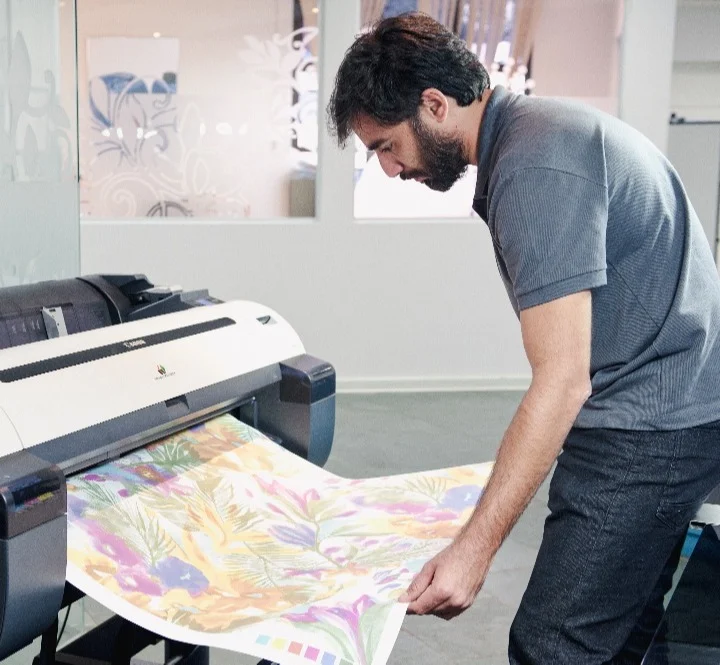
Last year, one of our clients printed 50 custom T-shirts for a local youth sports team using regular heat transfer paper. The first day looked great. But what happened after two games and three washes? The children's parents sent photos saying the logo was cracking and peeling off. The client had a very poor experience.
That's when our client realized: not all transfer paper is created equal. This mistake cost him $400 and the client a client.

In this guide, our factory will demonstrate 7 real differences between sublimation paper and t-shirt transfer paper based on actual washing tests. You will be able to correctly choose which transfer paper is suitable for cotton T-shirts, polyester sweatshirts, mugs, or metallic prints. If you are buying dye sublimation paper in bulk, we will also tell you what questions you should ask your sublimation paper supplier before placing a bulk order.
What is Dye Sublimation Paper?
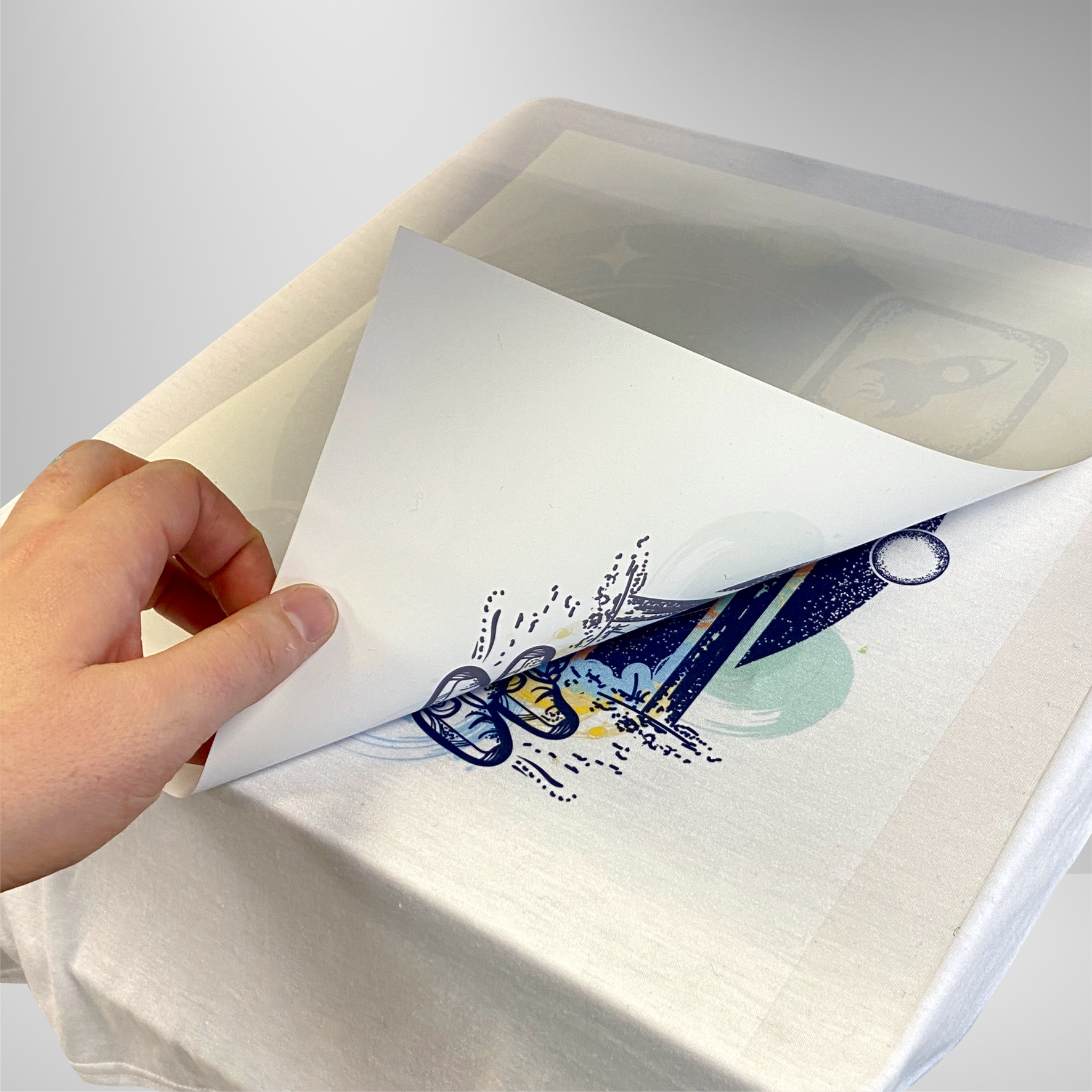
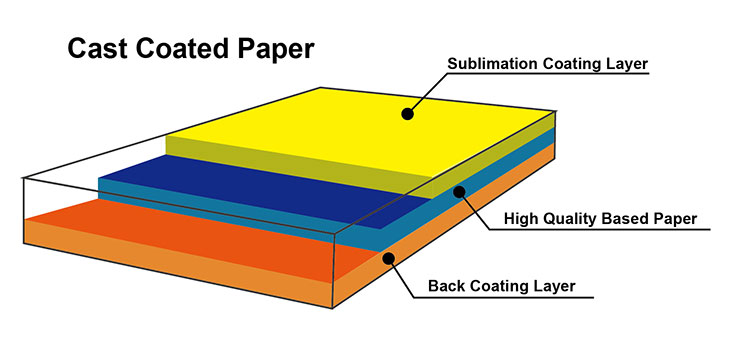
Dye sublimation paper is a specially coated paper designed for use with sublimation inks and at high temperatures (typically 380–420°F or 193–215°C).
How Sublimation Paper Sheets Work
When our factory first encountered the concept of sublimation, one thing surprised us: sublimation printing isn't actually "printing." It's actually a chemical reaction between the ink and the fabric.
You print a design onto sublimation paper for a t-shirt. The ink adheres to a special coating—appearing matte. Then, you place the paper in a hot press at 380–400°F. At this temperature, the ink completely detaches from its liquid state and becomes a gas. This gas permeates into the polyester fibers. Upon cooling, it solidifies inside the fibers, not on the surface.
Touch a sublimation-treated t-shirt with your finger. You won't feel anything foreign. There are no bumps, no plastic film, and no edges—that's what makes it amazing.
Common Uses of Sublimation Paper
- Polyester T-shirts and sportswear
- Ceramic mugs and plates
- Metal photo panels
- Mouse pads and coasters
- Puzzles and phone cases (with polymer coating)
What is Heat Transfer Paper for T-Shirts?

Transfer paper (also known as heat transfer paper or ironing paper) is suitable for standard inkjet printers and common water-based inks
How Heat Transfer Paper Works?
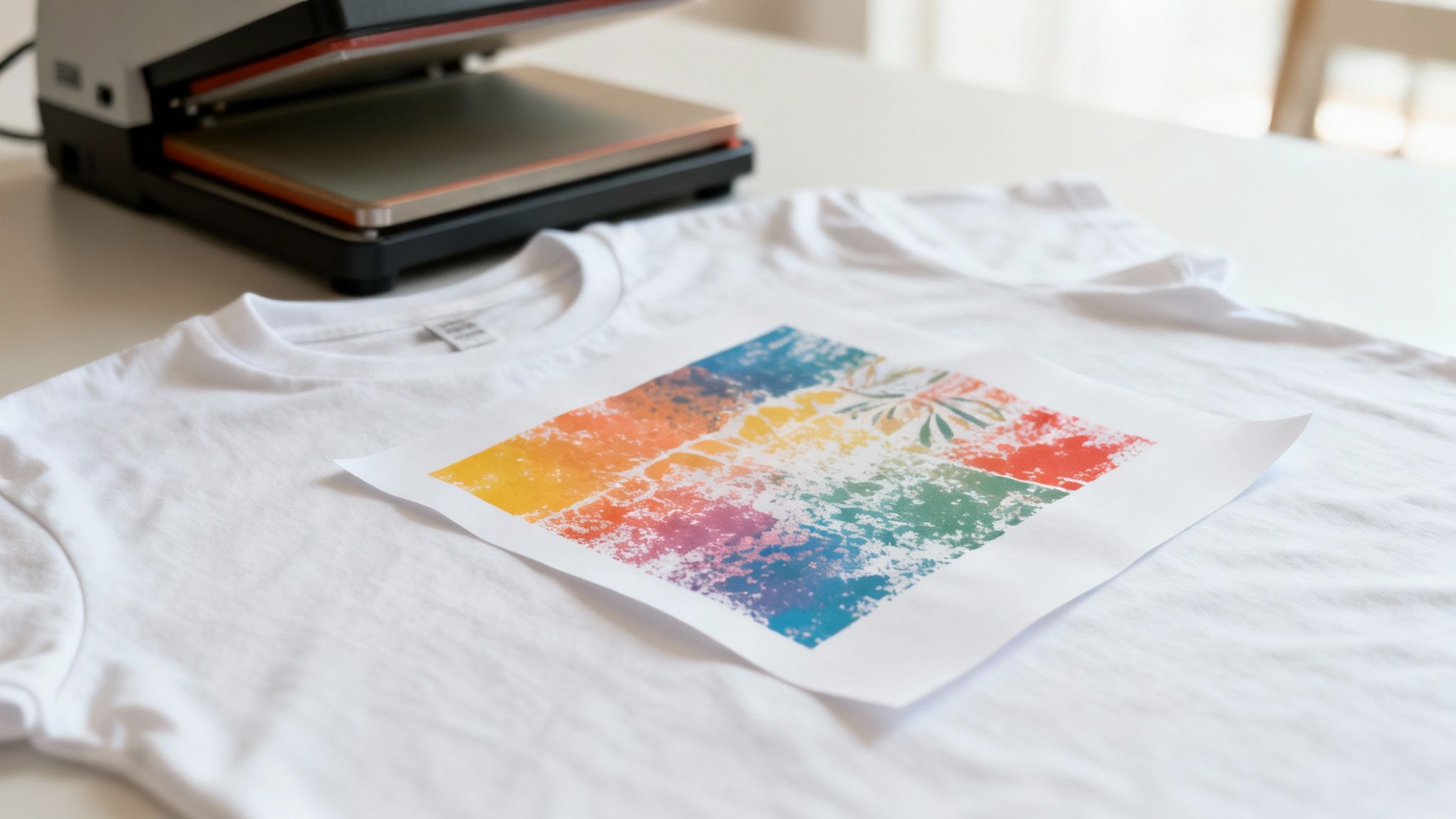
The design is printed onto the transfer paper using common inkjet water-based ink (dye or pigment). The transfer paper is then placed ink-side down on the fabric, and heat and pressure are applied. The ink and a thin polymer film are transferred from the transfer paper to the fabric.
After peeling off the transfer paper, a flexible film remains on the fabric surface. Touching it with your finger, you can feel a distinct edge and a slightly plastic texture. This is the film layer—which is why heat transfer paper for t-shirts feels different from sublimation transfer paper.
Two Main Types of Common Transfer Paper
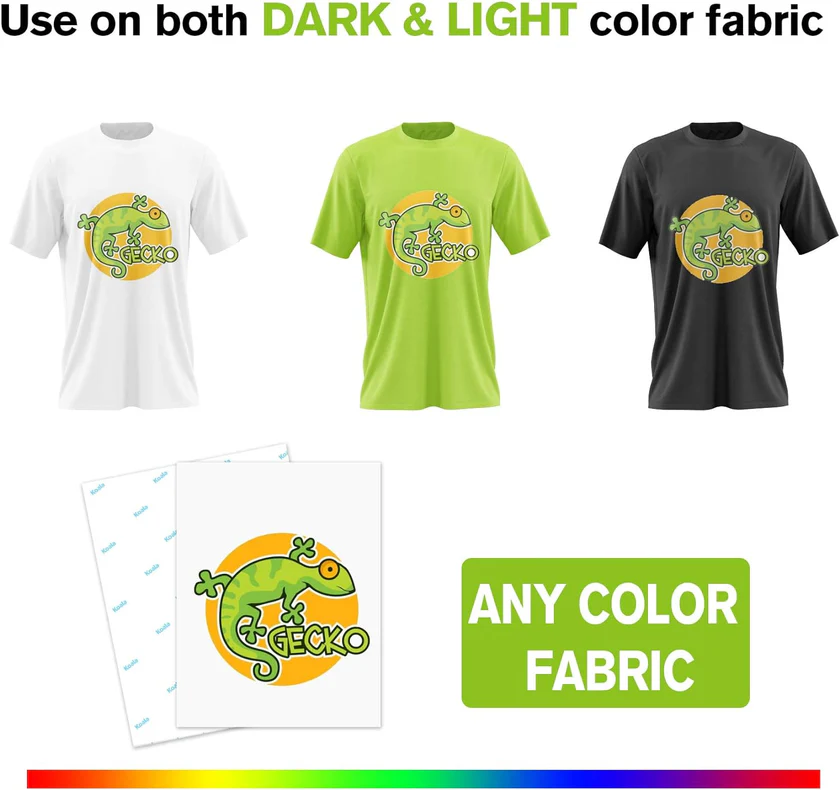
Light-colored transfer paper—a transparent film. Best suited for white or light-colored fabrics.
Dark-colored transfer paper—a white or opaque backing paper. Suitable for dark or black fabrics.
7 Key Differences Between Sublimation Paper and T-Shirt Transfer Paper

Let us guide you through the truly important differences—not just the instructions on the box, but the lessons learned from hundreds of printings, returns, and direct communication with end users.
-
Ink Type Requirements
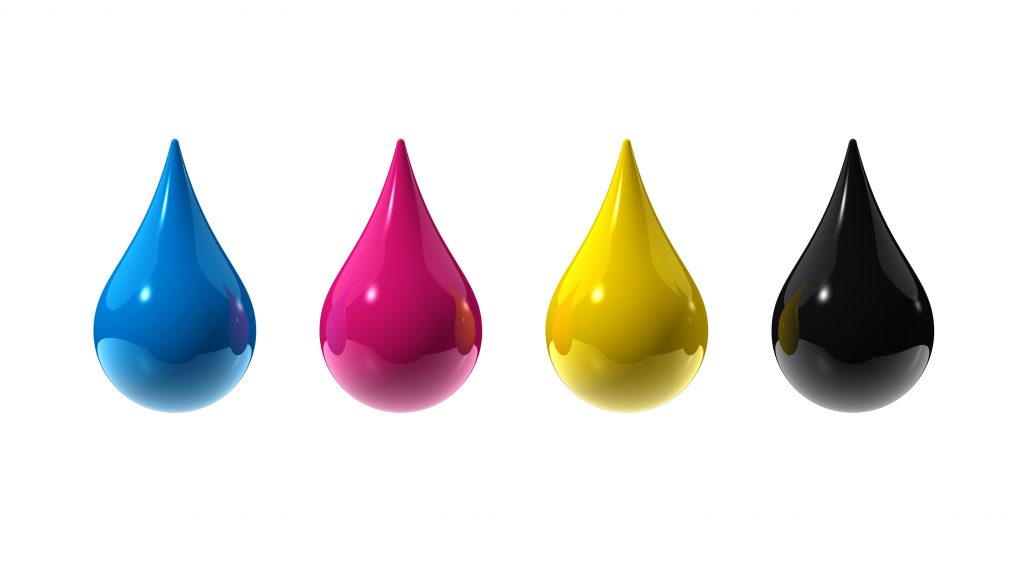
Sublimation Paper: Must be used with sublimation ink. Ordinary water-based inks will not transfer.
Regular Transfer Paper: Suitable for standard dye-based or pigment-based inkjet inks. No special inks required.
Importance: If you already own a regular printer, printable transfer paper is easier to use. However, its print quality and feel will be slightly inferior to sublimation paper for shirts.
-
Fabric Compatibility
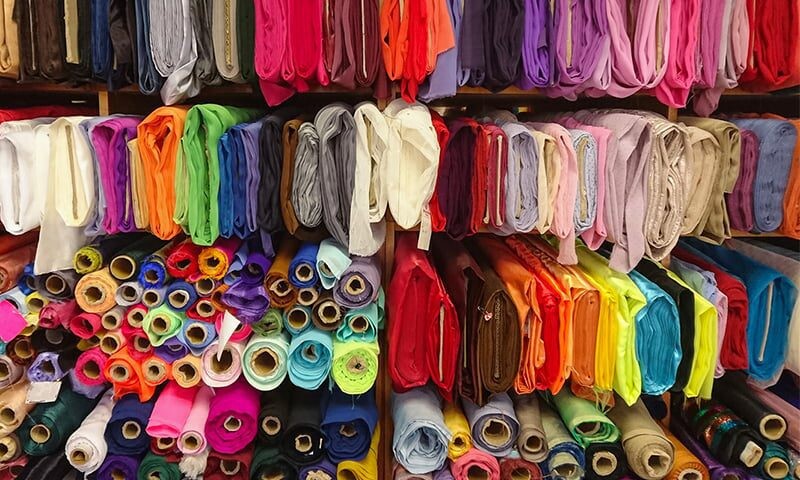
Sublimation Paper: Only suitable for light-colored fabrics or hard polyester-coated surfaces with a polyester fiber content of ≥65%. 100% cotton, wool, or nylon fabrics without special coatings cannot be used.
Regular Transfer Paper: Suitable for pure cotton, cotton blends, polyester fibers, and even dark-colored fabrics (use dark fabric transfer paper). This makes it more versatile in the apparel industry.
Importance: For cotton T-shirts, Frabic transfer paper is a cost-effective option.
-
Touch and Texture After Transfer
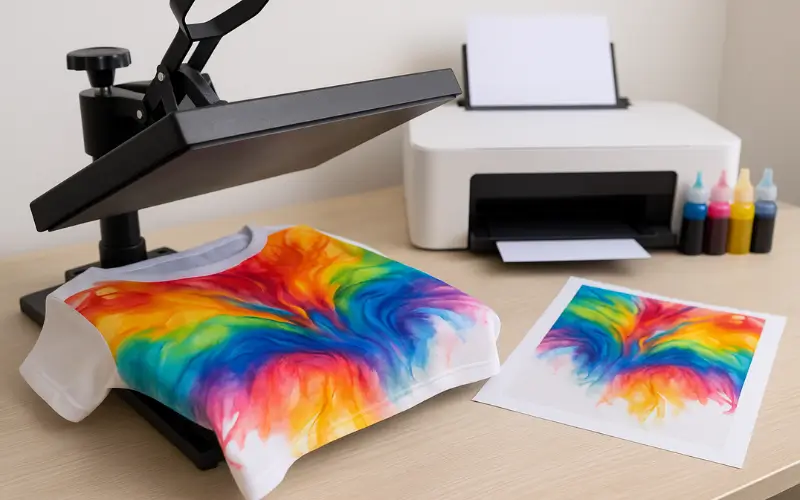
Sublimation transfer paper: Absolutely no foreign body sensation. The ink blends into the fabric fibers, and you can't feel the pattern when you touch it.
Inkjet transfer paper: Forms a visible and tactile film on the fabric surface. The white backing paper layer is especially noticeable on dark transfer paper.
Importance: For professional products or gifts, the "no tactile feel" of sublimation transfer is a better choice. For disposable crafts, the tactile feel of the film may be acceptable.
-
Durability and Washability
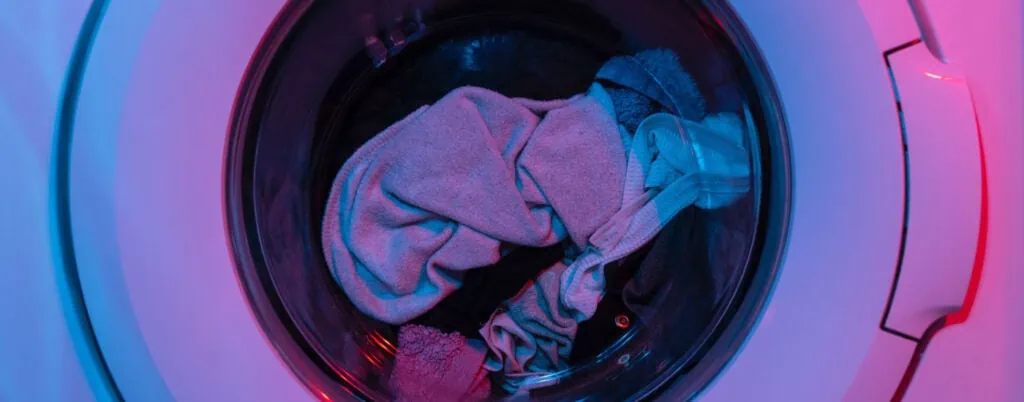
I tested this myself. Three identical polyester T-shirts—one using sublimation paper sheets, and two using regular transfer paper (light and dark colors). Washed 30 times in warm water and tumble dried at medium temperature.
- After 10 washes: The T-shirt using the transfer paper with the light-colored fabric showed curling at the edges.
- After 20 washes: Visible cracks appear on the dark transfer paper.
- After 30 washes: We realized: a T-shirt printed on ordinary transfer paper is completely unwashable.
What about a sublimation printing T-shirt? It looks the same as the first day. Slightly duller colors? No. Curling edges? No. This is because sublimation printing penetrates the ink into the fibers. Printable transfer paper simply adheres to the surface like glue.
If our customers only want a T-shirt to be worn for one season? Fabric transfer paper might be suitable. But for repeat orders or retail? I only use sublimation printing.
-
Color Representation and Detail
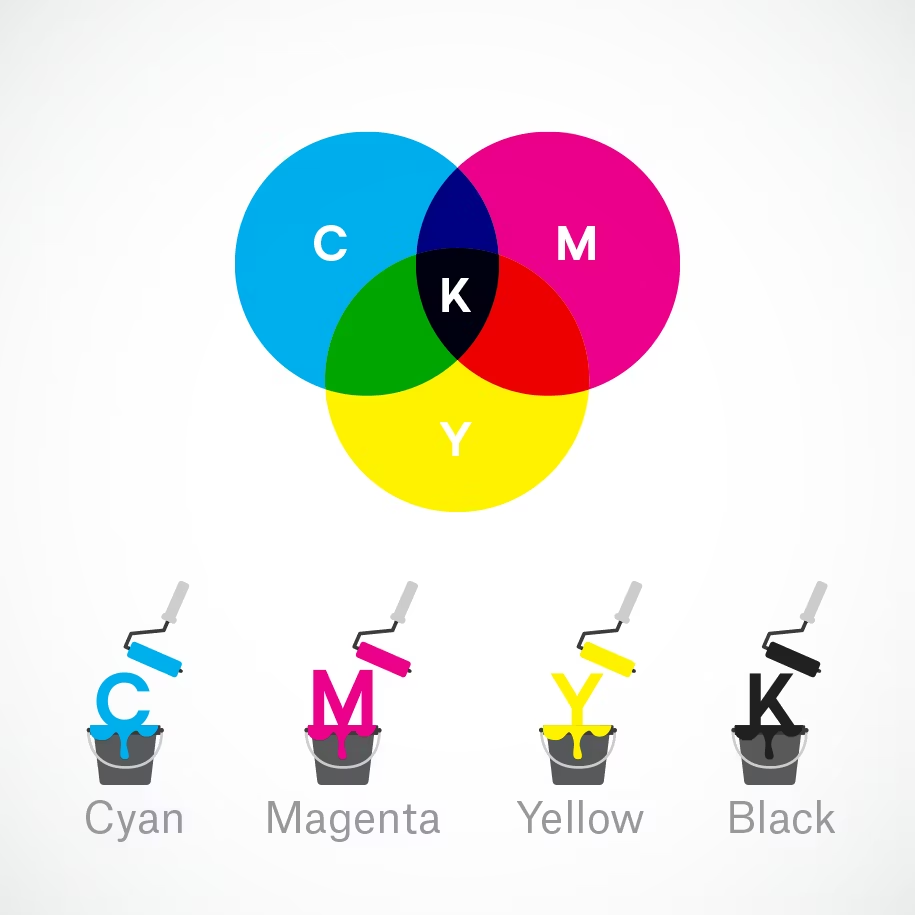
Sublimation transfer paper: Continuous tones, photorealistic quality. Smooth color transitions. No white edges due to ink penetration into the fabric.
Ordinary transfer paper: Good color representation on light-colored paper. However, on dark paper, unless the weeding is very thorough, white or opaque edges will always remain around the design. Not clear enough for gradient designs and fine details.
Why this matters: For photo gifts or multi-color logos, sublimation printing paper wins. For simple text or eye-catching cartoon designs, T-shirt transfer paper is acceptable.
-
Equipment and Printer Compatibility
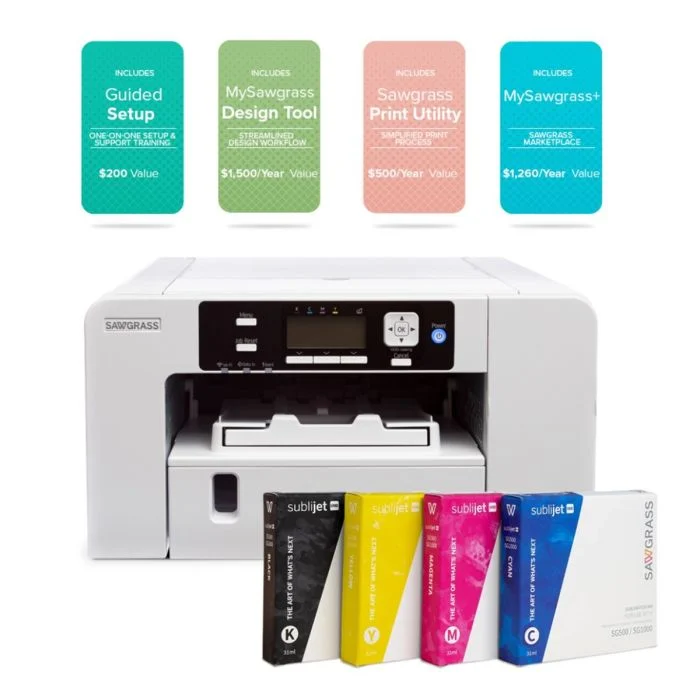
Sublimation Paper: Requires a printer that can use sublimation ink. Most people use modified Epson EcoTank printers (e.g., ET-2720, ET-15000) or dedicated Sawgrass printers.
Regular Transfer Paper: Works with any standard inkjet printer. HP, Canon, Brother, Epson—no modifications required.
Importance: If you want to save costs, transfer paper for t-shirts is a lower-barrier-to-entry option.
-
Cost Per Sheet

Let our factory help you avoid the mistakes our users have made. Users used to only focus on "cost per sheet," always choosing the cheaper regular transfer paper. Later, users realized the actual cost per usable t-shirt.
Here's the situation:
- Regular paper: $0.25 per sheet + $0.08 ink = $0.33 per shirt
- However, 20% of the T-shirts I printed on regular paper had clearly visible film edges or peeled off prematurely.
- What is the actual cost of each "customer-approved" T-shirt? Close to $0.41.
- Sublimation paper: $0.55 per sheet + $0.20 ink = $0.75 per shirt
- The defect rate is less than 3% (based on hundreds of tests conducted in our factory).
- What is the actual cost of each acceptable T-shirt? $0.77.
Yes, the upfront cost of sublimation paper is indeed higher. But if a customer orders 200 T-shirts and expects them to be durable, I'd rather pay $0.77 upfront than reprint 40 at $0.33 each.
If you're just making T-shirts for yourself or a one-off event, regular paper will suffice. But if you're selling them, you'll need to factor in the cost of reprinting.
Quick Comparison Table
| Feature | Sublimation Paper | Regular Transfer Paper |
| Best for fabrics | Light polyester (≥65%) | Cotton, dark fabrics |
| Plastic/rubber feel | ❌ No | ✅ Yes (film layer) |
| Wash durability | Excellent (100+ washes) | Fair (10–30 washes) |
| Ink type | Sublimation ink | Standard inkjet ink |
| Printer required | Dedicated or converted | Any standard printer |
| Cost per transfer | Higher ($0.45–$1.00) | Lower ($0.20–$0.50) |
| Learning curve | Medium–High | Low |
| Works on mugs/metal | ✅ Yes (with coating) | ❌ No |
Which should you choose? (Selection Guide)
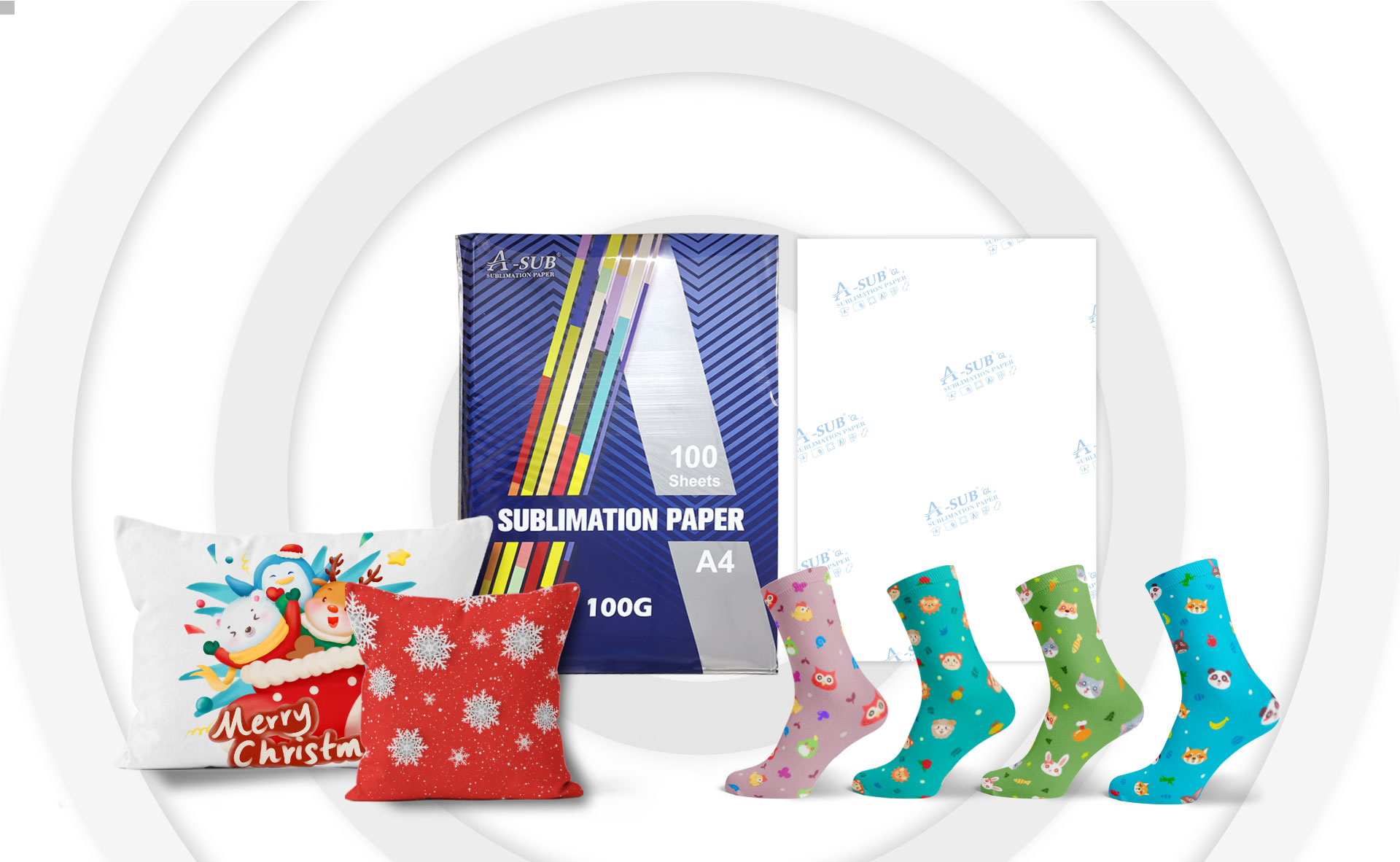
To be honest, our factory has wholesale customers who purchase both types of paper. However, everyone's needs are different, so choose the appropriate paper based on your own requirements:
If you're selling to customers—even on a platform like Etsy—you should start considering upgrading to sublimation printing. The feel, durability, the "plastic-free" look… even if customers can't articulate the specific differences, they'll feel the difference.
T-shirt transfer paper is also good; it's suitable for:
- Disposable cotton birthday T-shirts
- Testing designs before final printing
- Using dark fabrics when there's no other choice.
But what about products that need to be repurchased? What about products that need frequent washing? Sublimation paper sheets are always the best choice.
One more thing: If some sublimation paper suppliers tell you their regular transfer paper is "as durable as sublimation printing," be sure to ask them to provide photos or reports after 30 washes.
Can they be used interchangeably?
No. This is a common misconception.
- If you use sublimation paper with regular ink → the ink won't vaporize. You'll only get blurry, smudged stains.
- If you use heat transfer paper with sublimation ink → the ink may not transfer properly or may even peel off completely.
There are some "hybrid" transfer papers on the market, but their quality is compromised. For consistent results, always use transfer paper that matches the type of ink.
Final Conclusion
Based on years of production experience, we have reached the following conclusions
If you are printing in bulk—even small batches—sublimation paper is the professional choice for polyester and coated products. Its feel, durability, and "plastic-free" appearance… are advantages that the vast majority of customers appreciate.
Heat transfer paper also has its uses. It is still used for printing cotton samples and disposable dark-colored T-shirts.
When choosing, base your decision on your fabric, budget, and quality standards—rather than being misled by the claims on the packaging.
Is sublimation paper better than transfer paper?
"Better" depends on your intended use.
If you prioritize durability and feel → sublimation paper is better.
If you need to print on cotton, dark fabrics, or are on a budget → regular transfer paper is better.
But if you ask me which I would choose if I were selling something? I would always choose sublimation paper.
Do both require a heat press?
Sublimation: Yes, absolutely. Household irons don't get hot enough and the temperature is inconsistent. Fading and uneven transfer can occur.
Regular transfer paper: A heat press is ideal, but you can also use a household iron (though results will vary and require trial and error).
Which transfer paper lasts longer on T-shirts?
Sublimation transfer paper is significantly more durable—almost as durable as the T-shirt itself. Regular transfer paper typically shows wear after 10-30 washes. See my 30-wash test mentioned above.
Can I use sublimation transfer paper on 100% cotton fabric?
Not very good. The design will fade or look very dull. You need at least 65% polyester. For 100% cotton, use regular transfer paper or specially coated sublimation cotton paper (this is less common and more expensive—I don't recommend it for most people).
Can I request a sample before placing a bulk order?
Yes. And you should. Never buy 1000000 sheets of any paper—whether sublimation or regular transfer paper—without first testing it with your printer, heat press, and fabric. Different papers perform differently on different printers. The A-SUB function might work well on your Epson printer but not on someone else's Sawgrass printer. It's best to test it first.